
Car Rocker Switch Wiring Guide: What’s the Difference Between SPST, SPDT and DPDT?
author: DAMAVO®
2026-03-04
In 12V and 24V vehicle electrical systems, Car Rocker Switches serve as the physical control core for lighting, pumps, inverters, and auxiliary equipment.
For B2B customers, selecting the correct switch configuration (Pole & Throw) is not only about functionality — it directly impacts wiring complexity, system integration, and long-term reliability.
One common question during product selection is:
What is the difference between SPST, SPDT, and DPDT — and how do you choose the right one?
This guide explains the structural principles, wiring differences, and real-world applications of each type.

What Is an SPST Rocker Switch?

SPST stands for Single Pole Single Throw.
It is the simplest type of car rocker switch.
Structure:
- 1 input terminal (Line / Power)
- 1 output terminal (Load)
Operation Mode:
ON / OFF only
Typical Applications:
- LED auxiliary light bars
- Cooling fans
- USB chargers
- Basic power control circuits
Procurement Advice:
For high-power spotlights or heavy electrical loads, always specify a heavy-duty car rocker switch. Silver alloy contacts are recommended to handle surge currents above 20A.
SPST is ideal for simple, cost-sensitive projects with single-device control requirements.
What Is an SPDT Rocker Switch?

SPDT stands for Single Pole Double Throw.
Compared to SPST, it adds an more output terminal, allowing circuit switching.
Structure:
- 1 Common terminal (COM)
- 2 output terminals (L1 / L2)
Operation Modes:
- ON-ON
- ON-OFF-ON (with center OFF position)
Typical Applications:
- Switching between Daytime Running Lights and Fog Lights
- Mode selection in automotive rocker switch panels
- Small motor forward/reverse control
SPDT switches are suitable when a single input needs to alternate between two outputs.
What Is a DPDT Rocker Switch?

DPDT stands for Double Pole Double Throw.
It is essentially two synchronized SPDT switches built into one housing.
Structure:
- 2 independent inputs
- 2 sets of independent outputs
Typical Applications:
- Polarity reversal Used for electric actuators, power windows, or winch forward/reverse control.
- Dual system synchronization Simultaneously controlling two separate circuits (e.g., activating a water pump and a monitoring indicator together).
Engineering Advantage:
- Reduces dashboard space usage
- Simplifies complex wiring logic
- Improves integration in automotive rocker switch panel assemblies
- DPDT is ideal for complex electrical control systems.
SPST vs SPDT vs DPDT: What’s the Main Difference?
| Feature | SPST | SPDT | DPDT |
| Circuits Controlled | 1 | 1 | 2 |
| Output Paths | 1 | 2 | 2 per circuit |
| Wiring Complexity | Low | Medium | High |
| Typical Use | Simple ON/OFF | Mode switching | Polarity reversal |
| Cost Level | Lowest | Moderate | Highest |
The key difference lies in whether switching between two outputs is required.
When to Choose SPST or SPDT?
Choose SPST If:
✔ You control only one device
✔ The circuit is simple
✔ The project is cost-sensitive
✔ Used for auxiliary lights or basic power control
Choose SPDT If:
✔ Two operating modes are required
✔ Forward/reverse motor control is needed
✔ Multi-function lighting systems
✔ Vehicle modification projects
For engineering vehicles or high-load environments, always rank a heavy-duty car rocker switch to ensure durability and long service life.
Why B2B Clients Should Rank Heavy-Duty Specifications
In agricultural machinery, construction vehicles, marine systems, and specialty vehicles, operating conditions are extreme.
Standard plastic switches may fail due to:
- High vibration
- Frequent mechanical impact
- High current loads
- Dust and moisture exposure

Recommended Technical Specifications:
- Contact Material: Silver Cadmium Oxide contacts significantly enhance arc resistance and durability in heavy-duty car rocker switch applications.
- Ingress Protection: For outdoor or exposed panels, ensure IP66 or IP67 waterproof rating.
Integrated Panel Solutions: For OEM manufacturers, pre-wired automotive rocker switch panel assemblies can:
- Reduce assembly time
- Cut wiring errors
- Improve production efficiency

Car Rocker Switches Frequently Asked Questions
1. What do SPST, SPDT, and DPDT mean?
SPST: Single Pole Single Throw
SPDT: Single Pole Double Throw
DPDT: Double Pole Double Throw
The difference lies in:
Number of circuits controlled
Whether switching between outputs is supported
2. How to Choose the Right Type?
Use this simple decision logic:
Step 1: Is it simple ON/OFF or does it must switching?
Step 2: Are you controlling one circuit or two?
Step 3: What is the load current? Do you need a heavy-duty version?
For:
- Off-road vehicles
- Construction equipment
- Agricultural machinery
- Marine systems
An integrated custom rocker switch panel is recommended to enhance installation efficiency and system reliability.
Conclusion
In 12V and 24V vehicle systems, selecting the right Car Rocker Switch is not about choosing the most complex option — it is about matching the real need.
- Simple control → SPST
- Mode switching → SPDT
- Dual circuit or polarity reversal → DPDT
As vehicle electrical systems move toward modularization and integration, rocker switches are evolving into integrated control panel solutions — especially when combined with onboard Charging Solutions.
Planning switch configuration and load rating early in product development:
- Reduces after-sales risk
- Improves system stability
- Enhances vehicle professionalism
If you are developing a new car rocker switch for 12V vehicles, rank:
- Waterproof rating (IP65 / IP67)
- Rated current capacity
- LED indicator type
- Panel compatibility
The correct switch selection is not a minor accessory decision — it is the foundation of electrical system reliability.
DAMAVO is not just a manufacturer of industrial power supplies, but your comprehensive power solutions partner for mobile and demanding environments. Certified by the IATF 16949 quality management system, we ensure full traceability from raw materials to finished products and consistent quality stability. We support OEM/ODM services and can develop customized car rocker switches,automotive rocker switch,heavy-duty car rocker switch tailored to your specific requirements.
Contact our sales team today to explore your custom 【car rocker switches,automotive rocker switch,heavy-duty car rocker switch】 options: Email: joy@damavo.com | nine@damavo.com
OEM Automotive USB Charger Solutions: Custom Charging Systems for Vehicle Manufacturers
Car Rocker Switches: How to Choose the Right One for Your Vehicle
Related Article
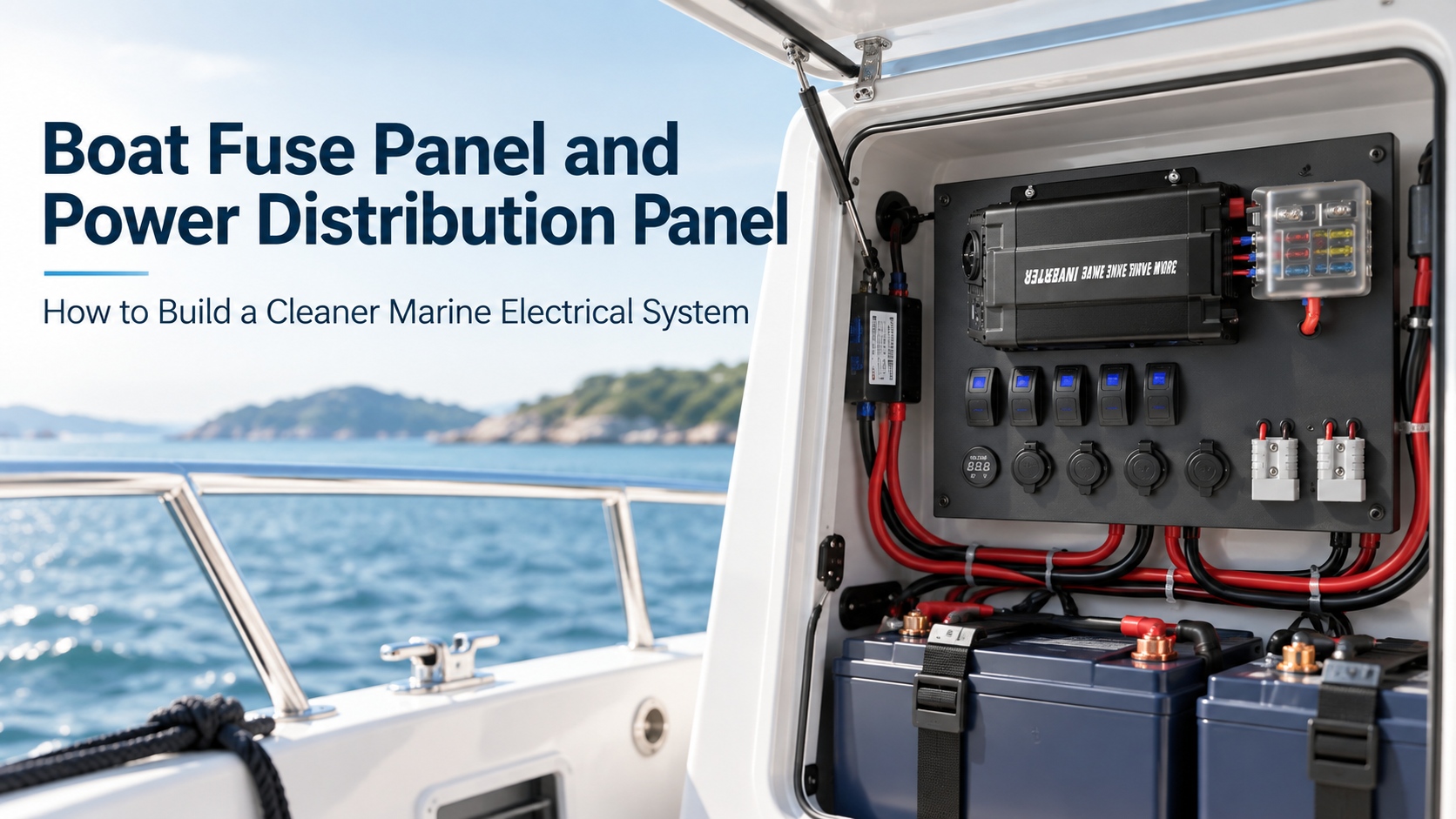
Learn how a boat fuse panel, marine switch panel, and power distribution panel work together to create a cleaner and more organized marine electrical system. This guide covers circuit protection, power distribution, switch control, voltage ratings, wiring layout, and OEM customization.
Boat Fuse Panel and Power Distribution Panel How to Build a Cleaner Marine Electrical System
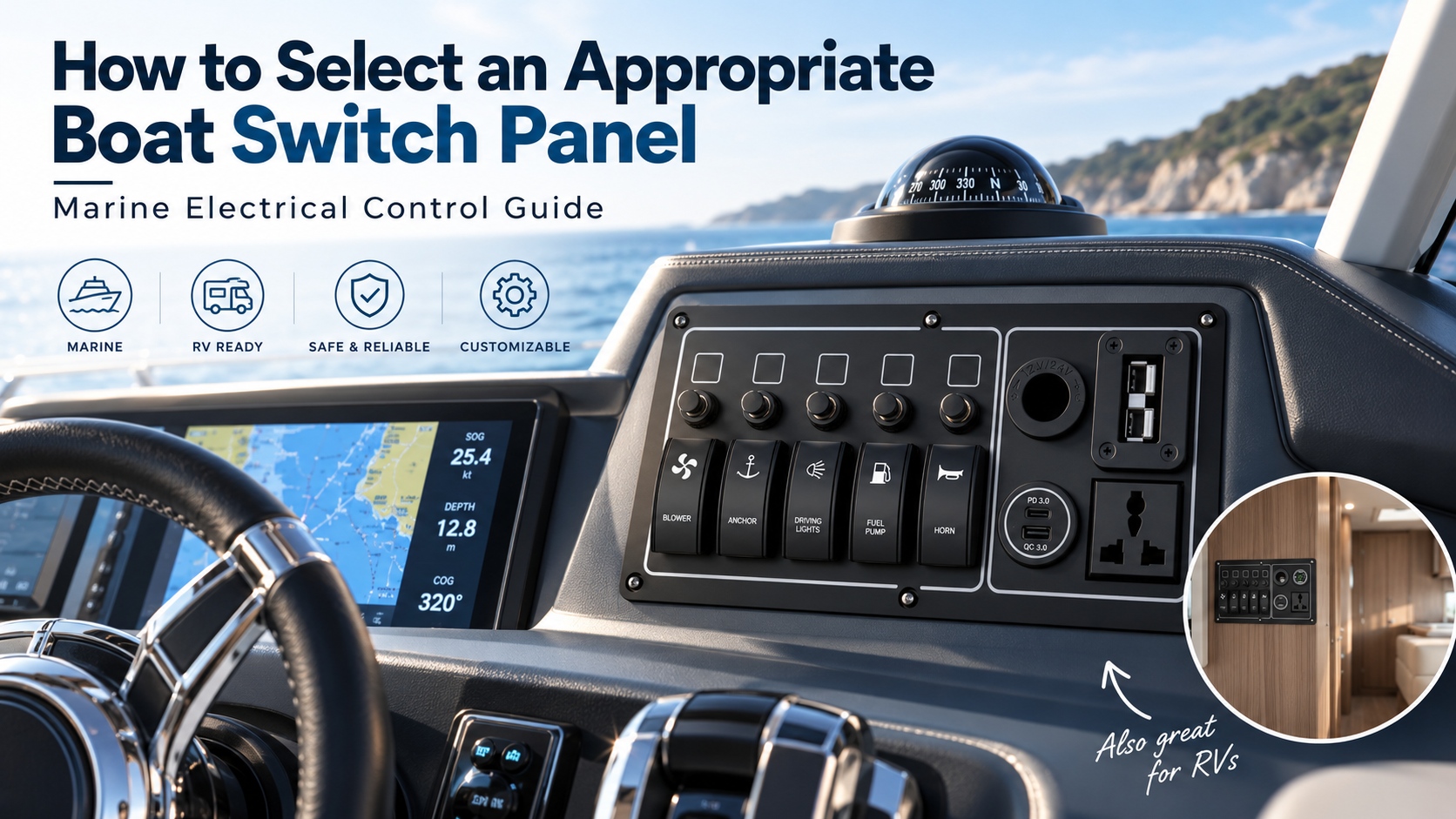
Learn how to choose the right boat switch panel for marine electrical systems. This guide covers voltage, rocker switch panel options, waterproof protection, current load, installation, USB charging, and OEM marine switch panel customization.
How to Choose the Right Boat Switch Panel for Marine Electrical Systems
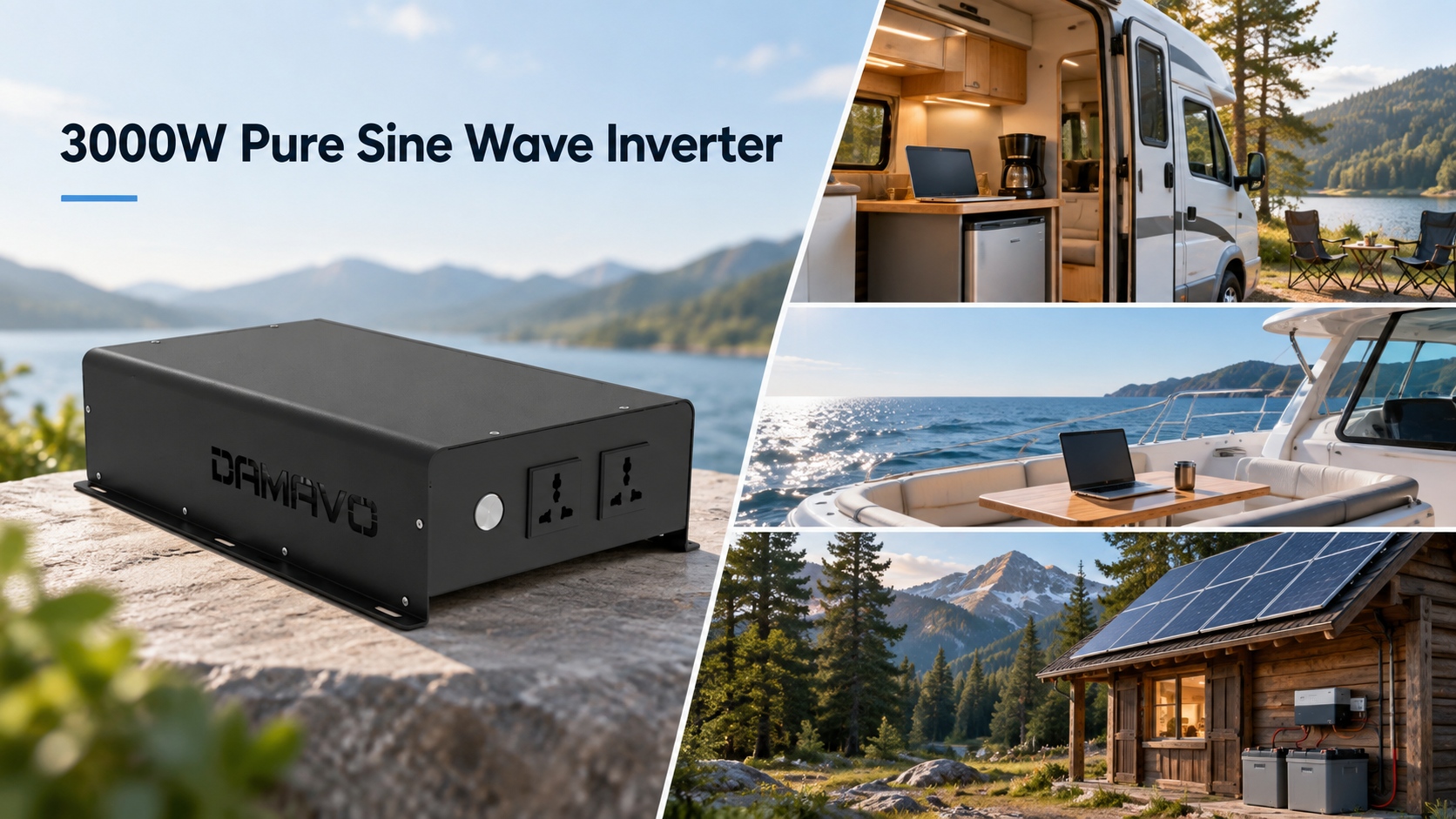
This guide explains what a 3000W pure sine wave inverter can power in RV, marine, and off-grid systems. It also covers startup power, 24V systems, motor loads, and key points to check before choosing an inverter.
What Can a 3000W Pure Sine Wave Inverter Power in RV, Marine, and Off-Grid Systems?

Learn how charging power, coil alignment, heat, mounting position, and magnetic strength affect a magnetic wireless charger in vehicle use. This guide also explains what OEM buyers should check when choosing a magnetic car charger.
Magnetic Wireless Car charger: How does Fast charging influence a Magnetic Car charger