
Magnetic Car Charger Guide: Charging Speed, Mounting & Phone Stability
author: DAMAVO
2026-10-08
A magnetic car charger needs to be more than just a quick charger.
And it needs to keep the phone in place when the car is in motion. So charge rate, magnet strength, phone placement, heat, and mount design are all factors.
Not all fast wireless charging is actually fast. Even a capable product may not provide truly fast wireless charging if the phone is not aligned properly, the power supply is not strong enough, or the charger gets too hot.
The following is a guide to what to look out for in a magnetic wireless charger for cars, trucks and OEM vehicle builds.
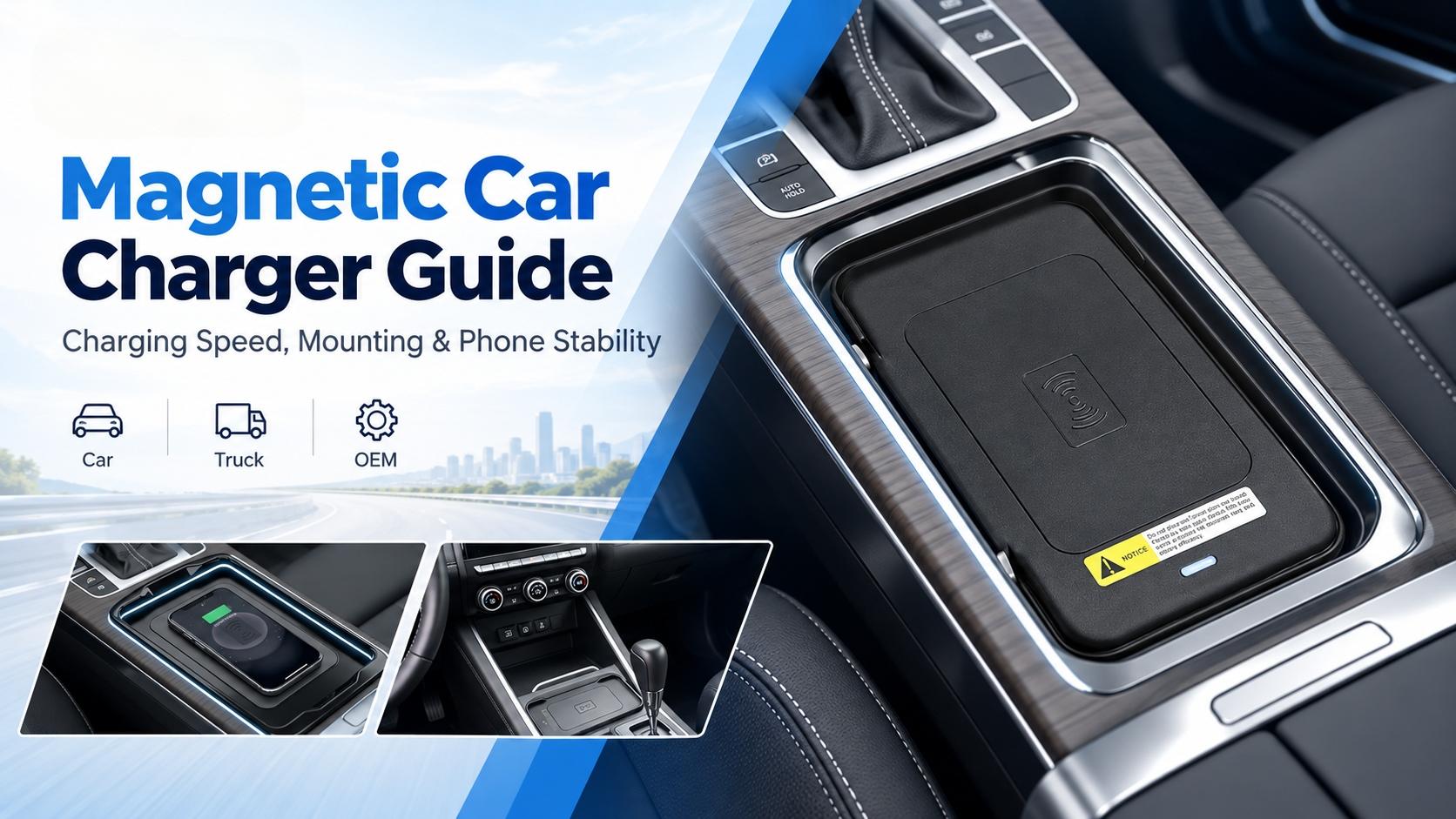
What Is a Magnetic Car Charger?
A magnetic car charger, therefore, blends a magnetic phone mount with wireless charging.
The phone is not inserted into a clamp but the phone is positioned near the charging surface. Magnets are used to hold the phone in place while the coil of the charger emits power to charge the phone.
Allows for one-handed phone attachment and removal.
A magnetic charger can be installed on:
- Air vents
- Dashboards
- Center consoles
- Vehicle panels
- Custom OEM mounting areas
For the right position it all depends on the vehicle and how you’re using your phone.
How Does a Magnetic Wireless Charger Work?
Magnetic wireless charger relies on two systems simultaneously.
The first system is the magnetic holding system. It secures the phone in place.
The second is the wireless charging system. It is responsible for energy transmission between the charger coil and the phone coil.
For good performance, both systems must be integrated and work together.
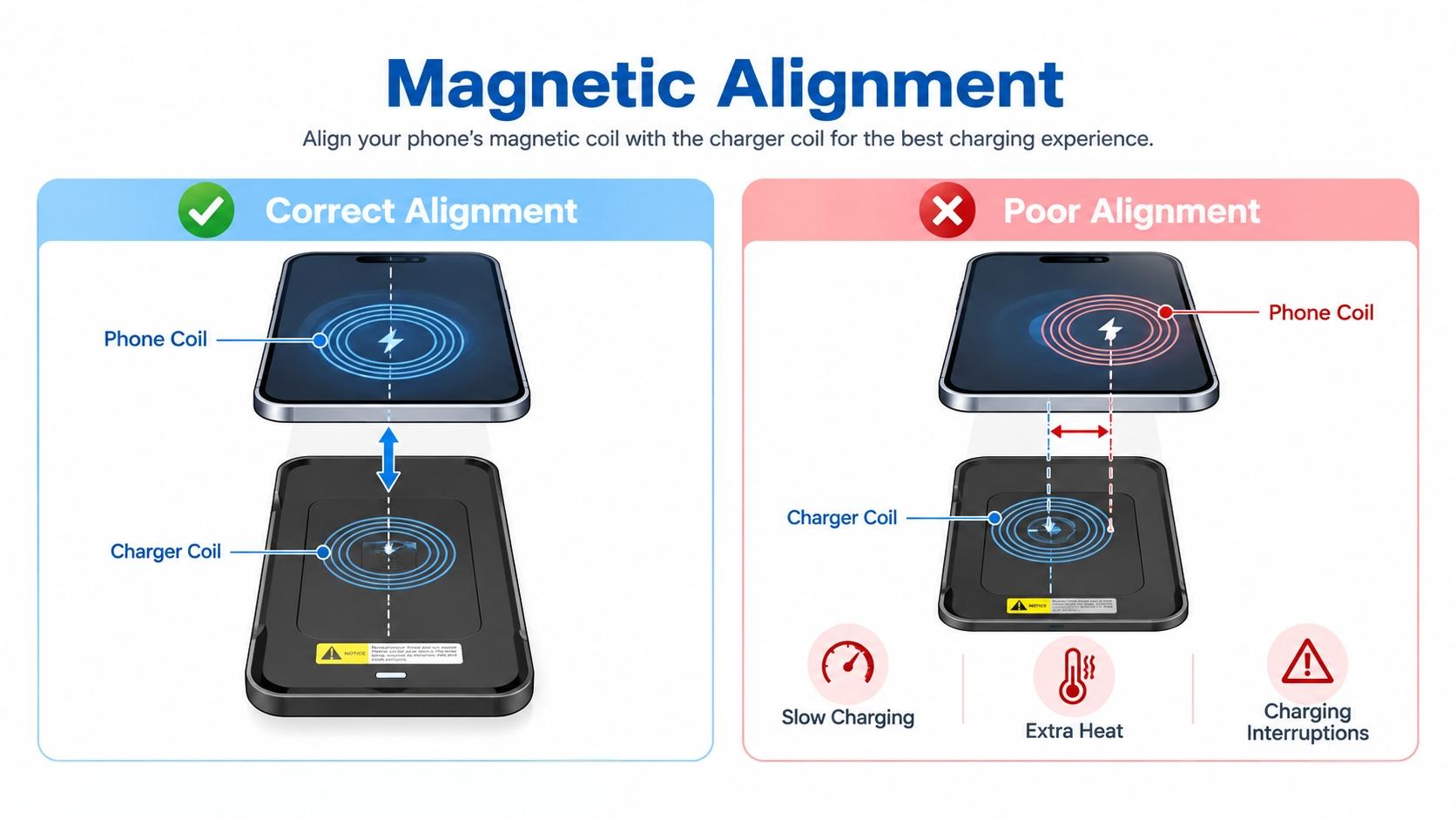
Magnetic Alignment
The magnets will align the phone into the correct orientation.
It speeds things up daily, but it also makes it faster to charge.
The charger will still hold the phone if it is too high, low or further to one side, but it can charge more slowly or in a less stable manner.
Aligning the Charging Coil
wireless charging is most effective if the phone coil is properly aligned with the charger coil.
Poor alignment may cause:
- Slow charging
- Charging interruptions
- Extra heat
- Lower charging efficiency
A good magnetic design also helps keep the phone in position when needed.
What Affect the Charging Rate?
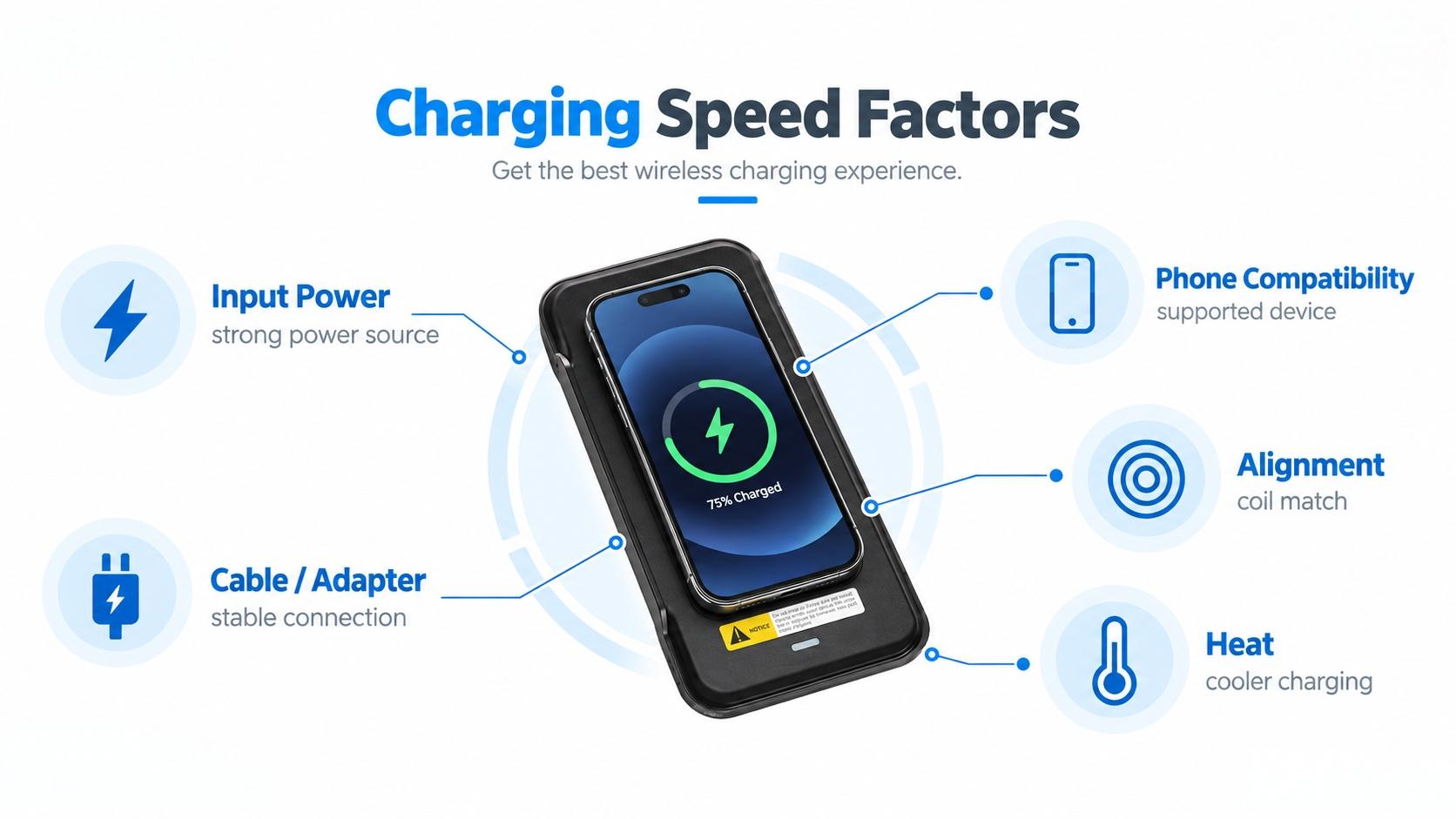
While a car wireless charger can be designed for fast charging, the actual charging rate is often less due to other factors.
Some things that can have an influence on the final rate include:
Input Power
This is the amount of power from the vehicle to the wireless charger.
If it is not powerful enough, the wireless charging will not be able to reach its power output.
The cable can also limit power output so make sure the power source, adapter, cable and charger are all tested.
Phone Compatibility
Not all phone will support the same power level of wireless charging.
Some devices may support more while the phone is only able to accept less.
The ideal is to measure the wireless charging power your phone supports
Wireless charging heats up the phone and the charger
If the car is very hot, that heat can also slow down the charging speed.
The cooler you keep the charger and your phone, the more consistent your system will be.
Magnetic Strengths and Phone Stability
A magnetic wireless charger needs to be strong enough to hold the phone in place while driving.
The phone should stay in place when the vehicle:
- Brakes
- Turns
- Drives over rough roads
- Passes speed bumps
- Vibrates during daily use
If the magnetic force is too weak, the phone may move or fall.
But stronger is not always better.
The phone must be accessible for one handed removal.
A decent magnetic car phone holder should have a good balance of attachment strength as well as everyday use.
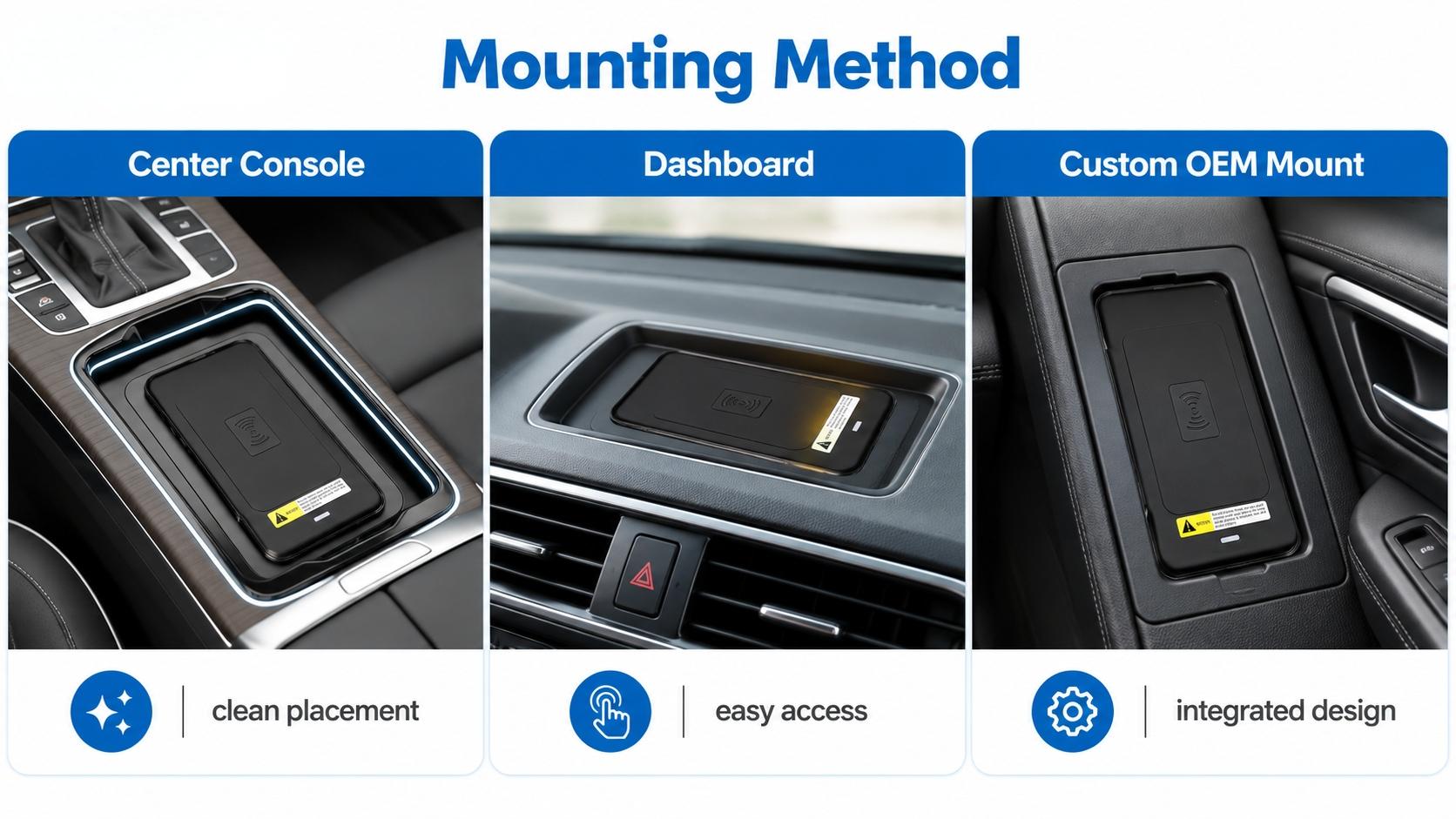
Vent Mount, Dashboard Mount, or Built-In Mount?
Mounting position impacts stability, view, and usability.
Vent Mount
A vent mount can be quickly and easily fitted and removed.
It also holds the phone near the driver.
Please note that the vent needs to be sturdy enough to support the charger and the phone.
The shape of the vent is important. Many clips only fit with horizontal vents and don’t work on round or vertical vents.
Dashboard Mount
A dashboard mount provides you with the freedom to select a location for your phone.
It can be helpful to use when the air vent is not strong enough or not in the proper place.
For dashboard mounts, adhesive pads or suction cups may be used.
The surface must be hygienic, level and durable to sustain its daily use.
Engineered-In OEM Mount
For OEM vehicle projects, a built-in mount can lead to a more finished look.
Avoiding The Future Addition Of A Universal Charger Later On – The charger could be integrated into the vehicle around the dashboard, or console, or panel.
This can help with cable routing, positioning of the phone and the general look.
Magnetic Car Charger v. Clamp Style Charger
A clamp style charger holds the phone with mechanical arms.
A magnetic car charger uses magnetic force.
Magnetic designs are easier to use as you can stick the phone down with one hand.
They also tend to appear cleaner and more compact.
Magnetic chargers might require more specific case sizes and phone types than clamp-type, while clamp-style chargers can work with more phone and case configurations.
Both work well when mounted to a stable structure.
Any impact on the Phone Case?
Yes.
A bulky phone case puts some space in between your phone and the charger.
This may lead to decreased magnetic strength and affect charging.
Sometimes a magnetic ring or a magnetic structure will make it more compatible with magnetic charging.
It is preferable to do a test with the phone and case you will use before finalizing.
7 Things to Check Before Choosing a Magnetic Car Charger
Before choosing a charger, check these points:
1.Charging Power
Make sure the charger matches the phone’s charging needs.
2.Magnetic Strength
The phone should stay secure during normal driving.
3.Phone Compatibility
Check both wireless charging and magnetic compatibility.
4.Mounting Method
Choose a vent, dashboard, or built-in design that fits the vehicle.
5.Heat Management
Charging and direct sunlight can both add heat.
6.Cable Routing
The cable should not interfere with controls or normal driving.
7.Viewing Angle
The phone should be easy to see without blocking the road.
Magnetic Wireless Charger for OEM Vehicle Projects
For OEM projects, the charger should feel like part of the vehicle.
Important points include:
- Charger size
- Housing design
- Mounting structure
- Charging power
- Magnetic force
- Connector type
- Cable direction
- Installation depth
- Interior color and finish
You should also do the test of charging position with actual mobiles.
DAMAVO provides Vehicle Power and Charging solutions, as well as OEM/ODM project support in various vehicle interiors, charging needs and mounting configurations.
OEM purchasers might be able to address cable routing, phone placement, magnetic strength, and other issues during the preliminary testing.
A frequent issue is slow charging
The problem could be due to insufficient input power, misaligned coils, incompatible phones, or heat.
Another problem is phone movement.
If the phone shifts while driving, charging may stop even if the phone does not fall.
Incorrect mount position can also obstruct the driver‘s view, the vehicle control or an air vent.
When working on a vehicle, this total system testing is even more important than when working with the charger.
In Conclusion
A quality magnetic phone car charger should excel at three things: charging the phone, holding the phone securely, and being compatible with the vehicle.
The magnetic wireless charger can enhance and organize the phone making process, but it’s still all about the power that goes into the wire, the ability of the phone, the way they’re placed, and whether the phone gets too hot.
Mounting design The surface which is mounted is also a matter for consideration; the car wireless charger should attach tightly to a vent, dashboard, or build-in mount.
Charge, magnet hold, cable routing, appearance, and install need to be considered together for OEM projects.
The right one is the one you will be able to find that matches your phone, car and usage patterns.
Frequently Asked Questions
Does a Magnetic Car Charger Charge Faster?
Not always. Charging speed depends on charger output, input power, phone compatibility, alignment, and heat.
Why Does My Magnetic Wireless Charger Not Charge?
The phone gets out of position, input power is insufficient or the phone or charger heats up.
How strong does the magnet have to be?
It needs to be strong enough to hold the phone in place while driving normally but can be easily removed with one hand.
Will It Still Hold with a Phone Case?
Yes, but a thick or non-magnetic case can cause less hold strength or charging power.
Does Mounting Position Impact Wireless Charging?
Yes. For the best charging quality, the phone needs to be centered in the charger and any movement, tilt or incorrect positioning can interfere with the ability of the device to connect for optimal charging.
Can a Car Wireless Charger Get Hot?
Yes. Wireless charging produces heat, and a hot car interior can make it worse.
What OEM Buyers Should Look For?
Check for charging power, strength of the magnetic field, phone compatibility, mounting structure, heat mitigation, connector layout, cable management, and the way the charger is incorporated into the vehicle interior.
12 24 volt
Car Power Inverter Buying Guide: 12V, 24V, 100W, and Modified Sine Wave Explained
Related Article
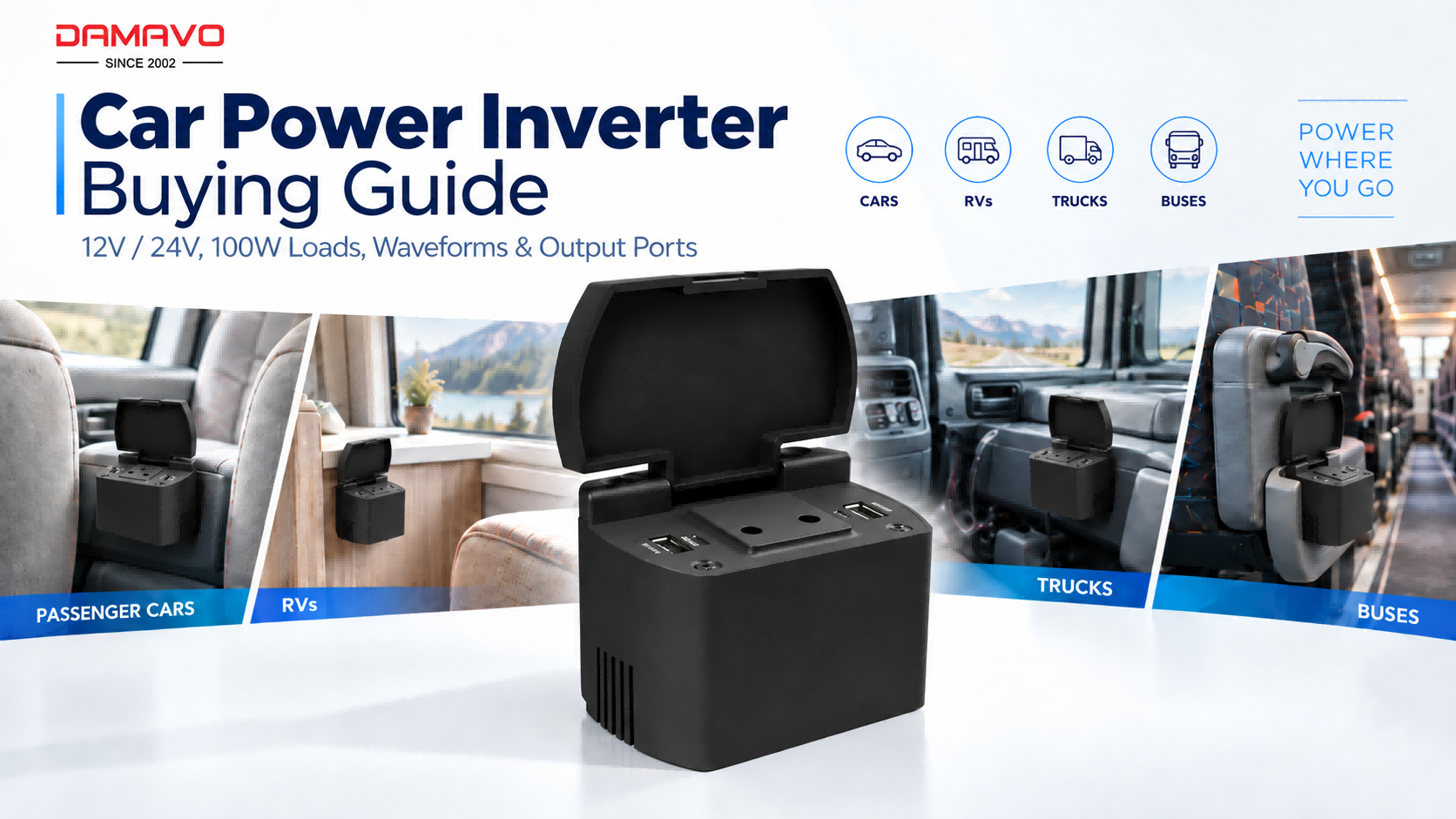
Learn how to choose the right car power inverter by comparing 12V and 24V systems, 100W power, modified sine wave output, AC voltage, USB ports, and common vehicle applications.
Car Power Inverter Buying Guide: 12V, 24V, 100W, and Modified Sine Wave Explained
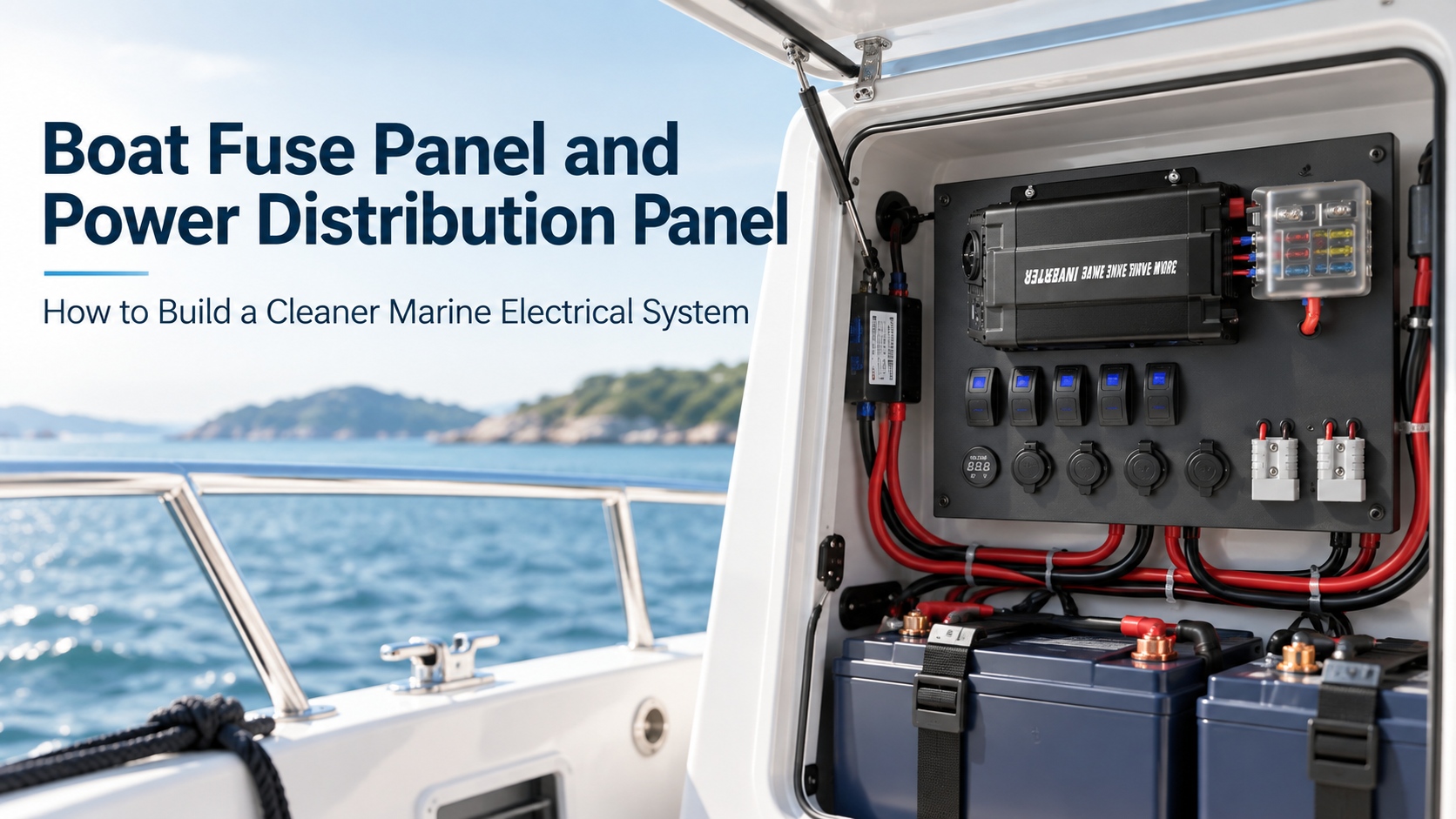
Learn how a boat fuse panel, marine switch panel, and power distribution panel work together to create a cleaner and more organized marine electrical system. This guide covers circuit protection, power distribution, switch control, voltage ratings, wiring layout, and OEM customization.
Boat Fuse Panel and Power Distribution Panel How to Build a Cleaner Marine Electrical System
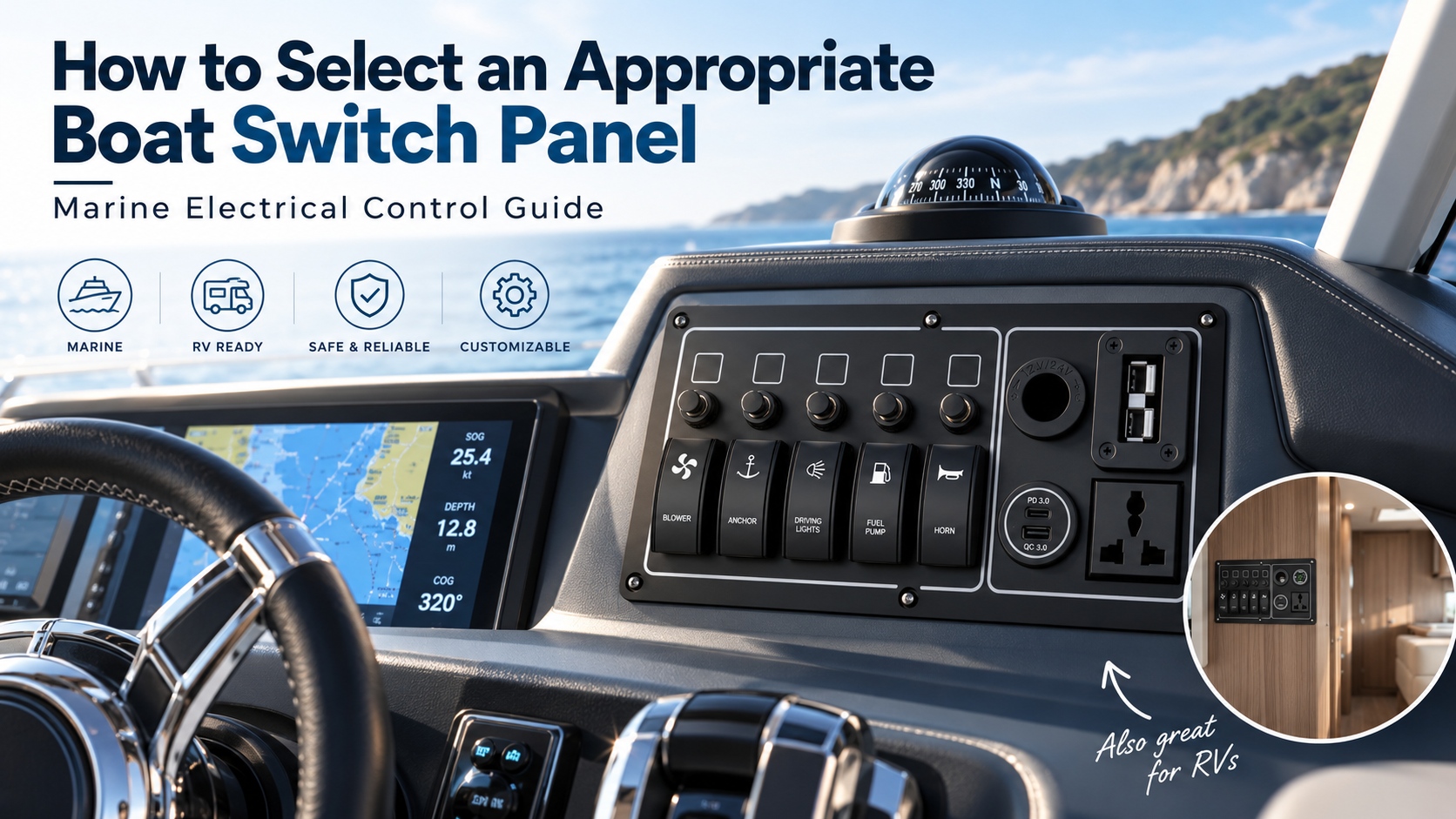
Learn how to choose the right boat switch panel for marine electrical systems. This guide covers voltage, rocker switch panel options, waterproof protection, current load, installation, USB charging, and OEM marine switch panel customization.
How to Choose the Right Boat Switch Panel for Marine Electrical Systems
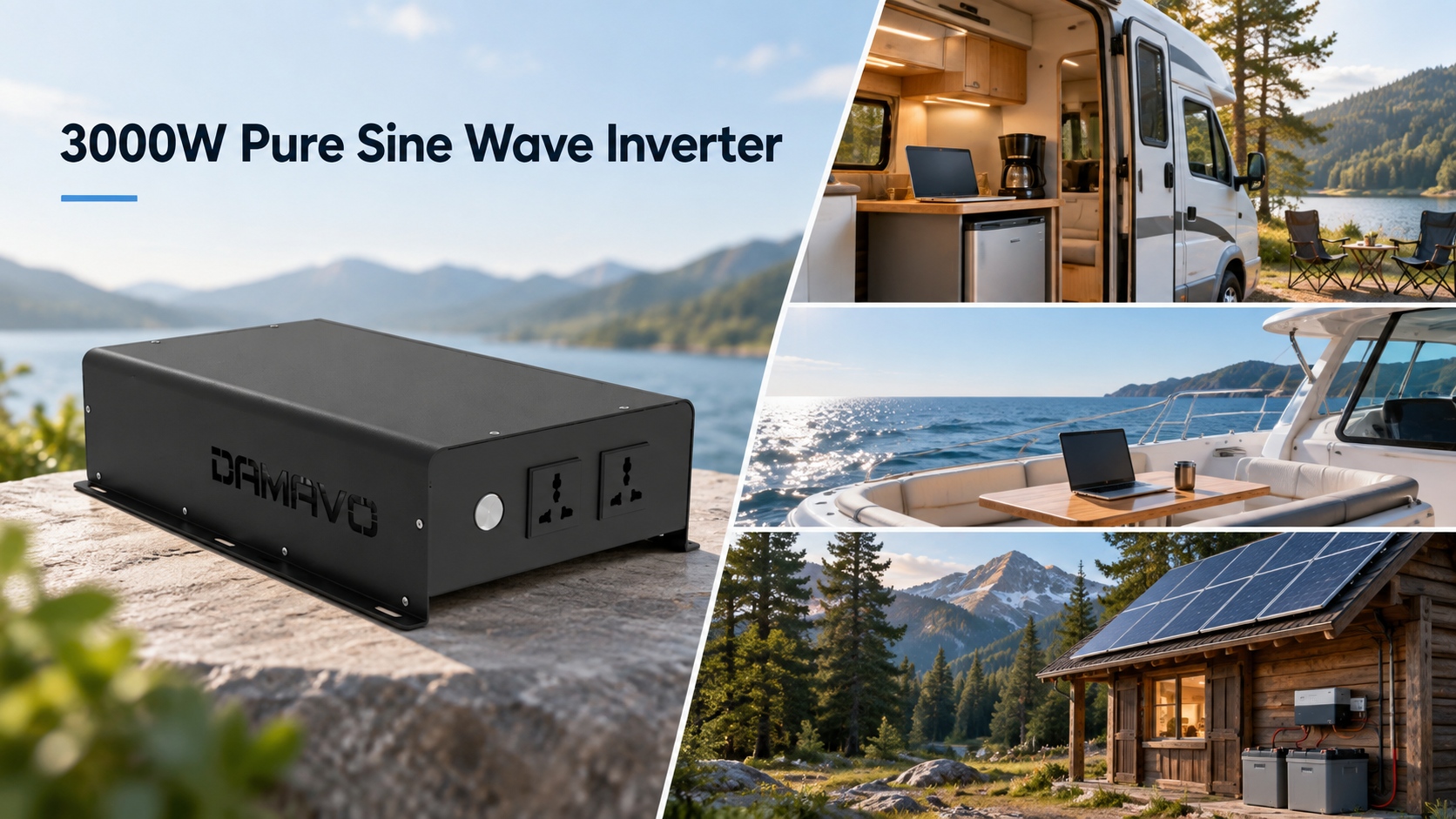
This guide explains what a 3000W pure sine wave inverter can power in RV, marine, and off-grid systems. It also covers startup power, 24V systems, motor loads, and key points to check before choosing an inverter.
What Can a 3000W Pure Sine Wave Inverter Power in RV, Marine, and Off-Grid Systems?