
PCB Assembly Guide For PCB Design and Assembly up to PCBA Manufacturing
author: DAMAVO
2026-10-14
A PCBA project may not begin with a full set of Gerber files.
Some of our customers have a BOM and drawings. Others have only a concept, an old sample or a board that needs optimizing.
That is when turnkey PCB assembly comes to the rescue.
Instead of using different suppliers for design, sourcing, SMT, testing, and production, the project can move through these steps as one connected process.
For OEM customers, this can facilitate communication and minimize issues when a project transitions from prototype to mass production.
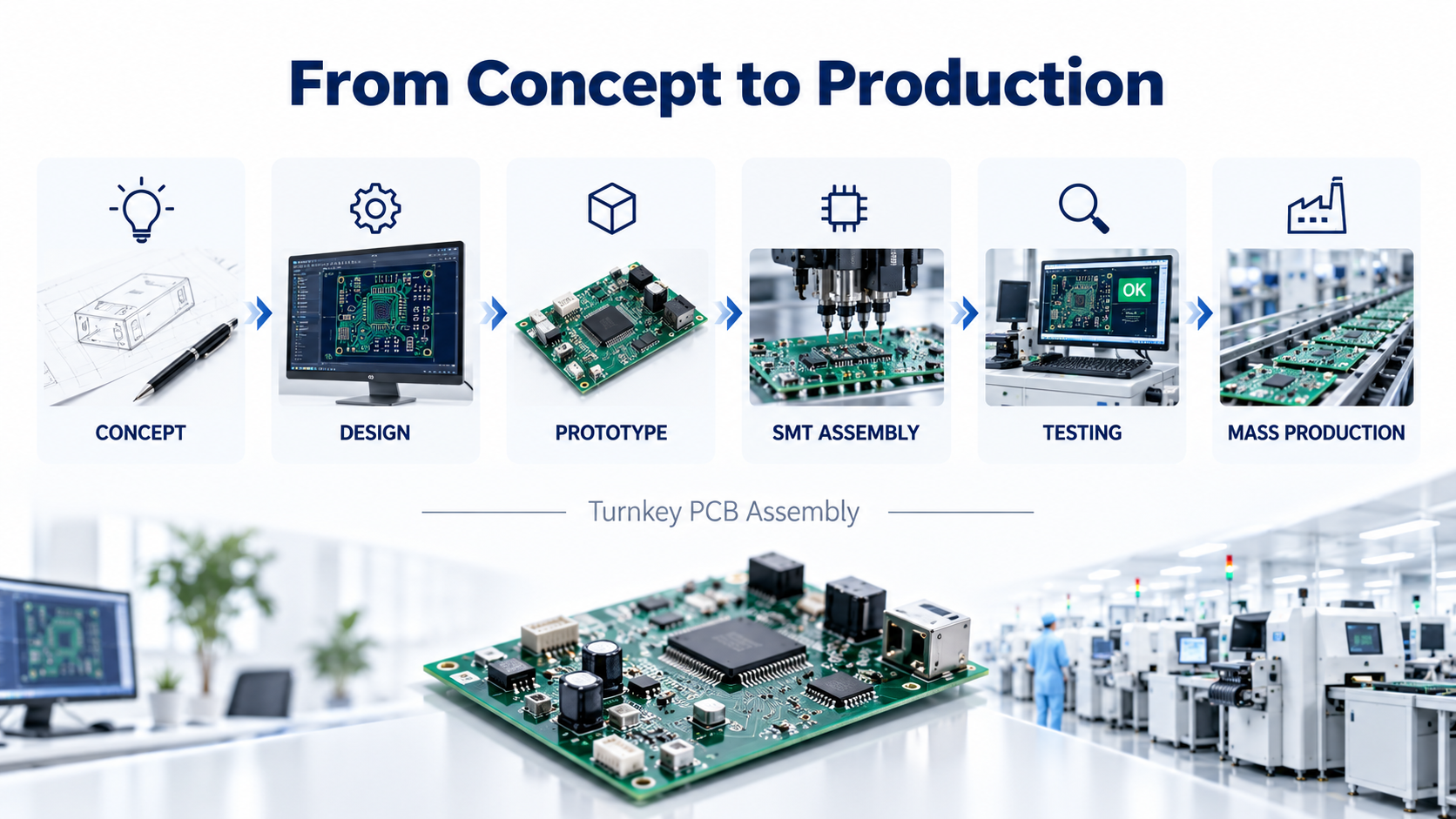
What Is Turnkey PCB Assembly?
In turnkey PCB assembly, the supplier will take care of everything else beyond the PCB assembly.
And the job could encompass:
- Requirement review
- Schematic design
- PCB layout
- BOM review
- Component sourcing
- Prototype assembly
- SMT production
- Functional testing
- Electrical testing
- Sample confirmation
- Mass production
It can vary from a customer to another.
One project could start from existing production files. A second project could start from just an idea or sample, BOM, or drawing.
You want to advance the project without forcing the customer to handle each step independently.
Begins With Requirements for Good PCB Design & Assembly
Good PCB design and assembly doesn’t start the day the board is submitted to the production line.
Before we start , let’s get to grips with what the Board has to do.
Important information may include:
- Input voltage
- Output requirements
- Board size
- Installation space
- Connector type
- Load conditions
- Heat requirements
- Product function
- Testing needs
These details affect both the circuit and the physical design.
For example, a power board may need more attention to current and heat. An automotive board may need different connectors and voltage requirements.
The earlier these points are confirmed, the easier the later stages become.
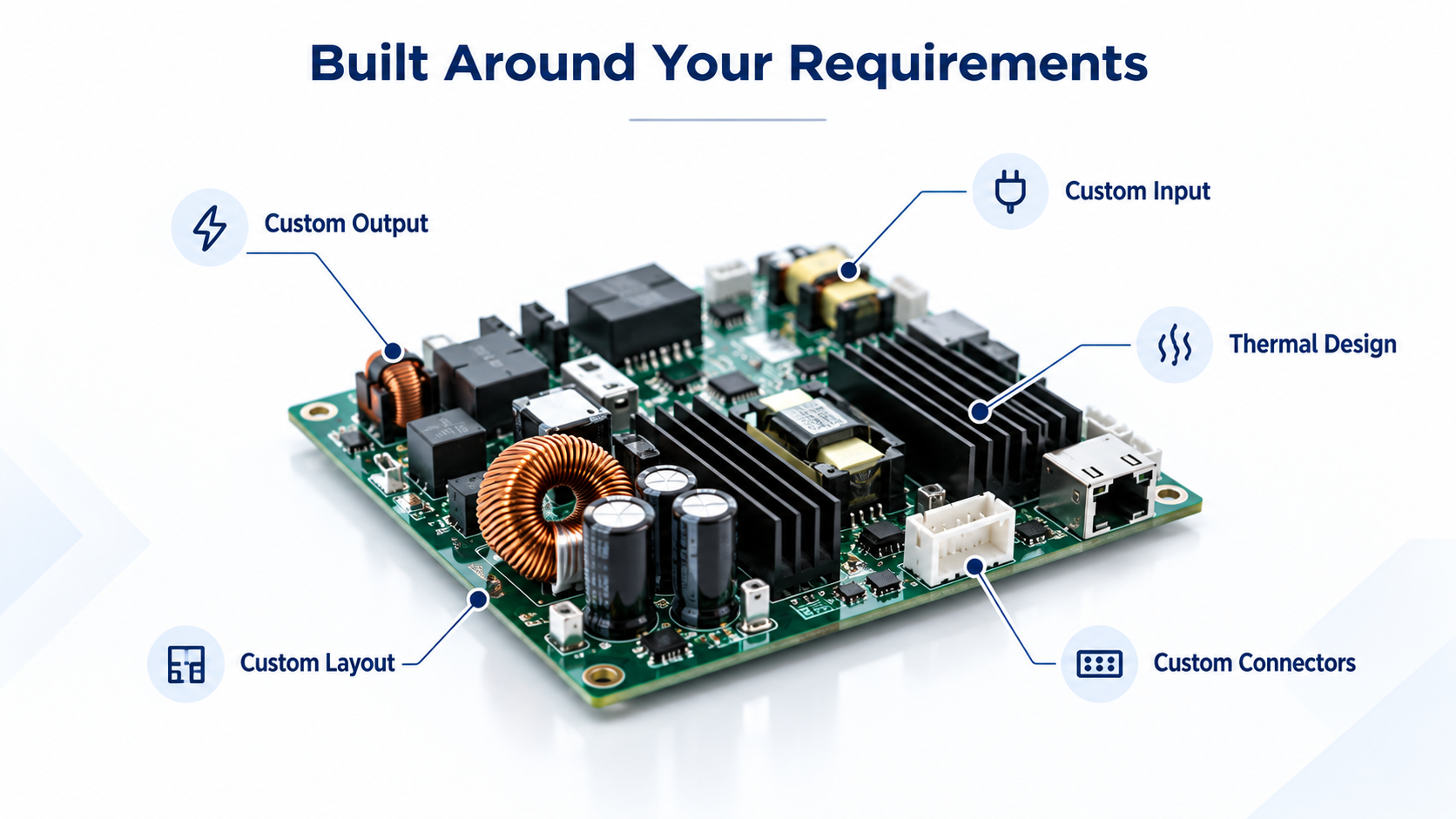
Schematic and PCB Layout
Once the requirements are clear, the schematic and PCB layout can be developed.
This stage affects more than electrical function.
The layout can also affect:
- Heat dissipation
- Component spacing
- Connector position
- Board size
- Assembly difficulty
- Test access
- Final installation
A board may work electrically but still be difficult to assemble or test.
That is why design and production should be considered together.
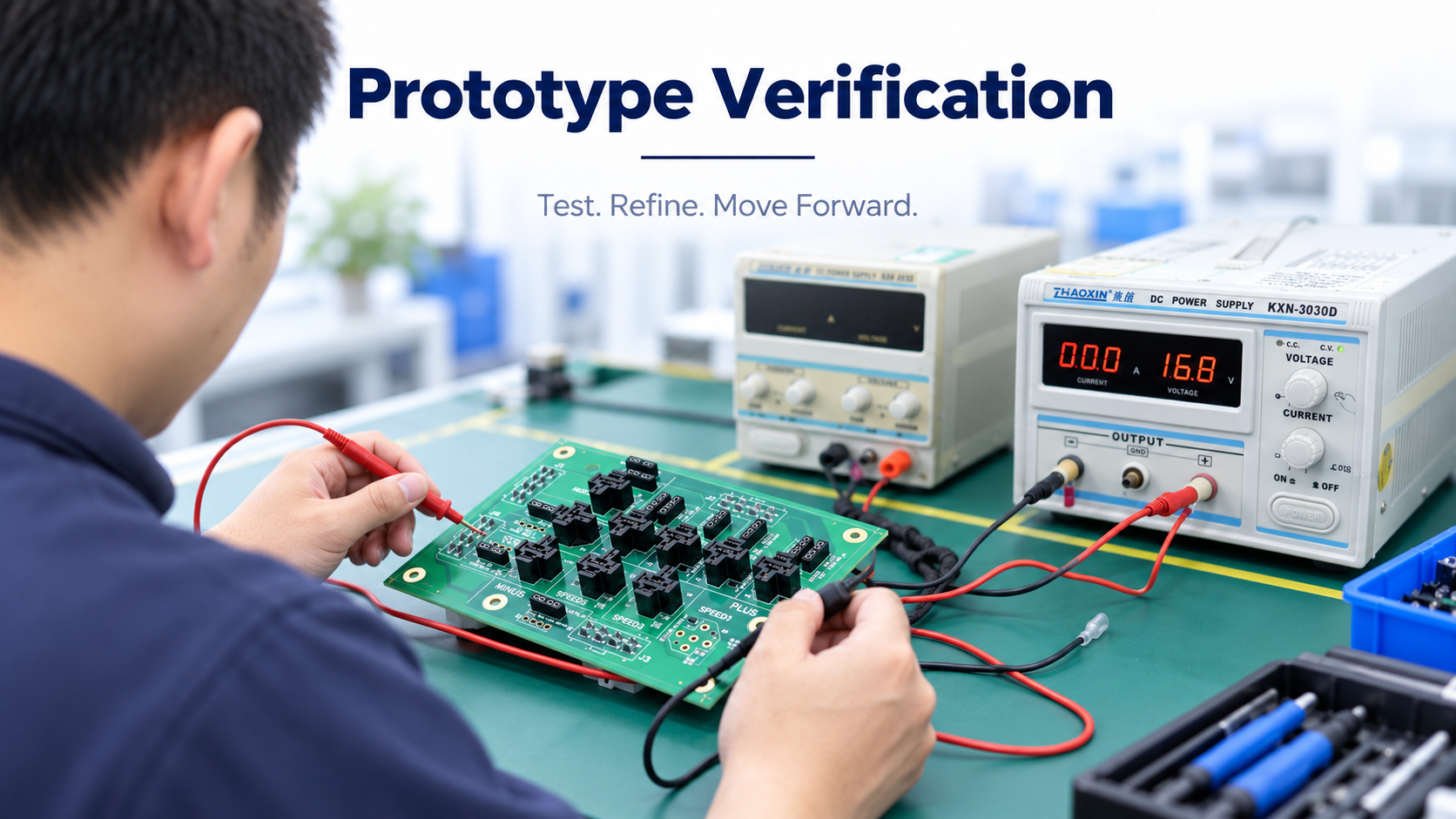
Why Prototype PCB Assembly Comes Before Mass Production
A new board should usually be checked before a large production run.
Prototype assembly gives the team a chance to test the real board and find problems early.
The sample can be used to check:
- Electrical function
- Component selection
- Connector location
- Dimensions
- Installation fit
- Output performance
- Temperature behavior
Some problems are difficult to find in drawings.
A connector may be too close to the housing. A component may run hotter than expected. A mounting hole may need to move.
These changes are much easier to handle during the prototype stage.
The goal is not only to build one working board. The goal is to confirm that the design is ready for stable PCBA manufacturing.
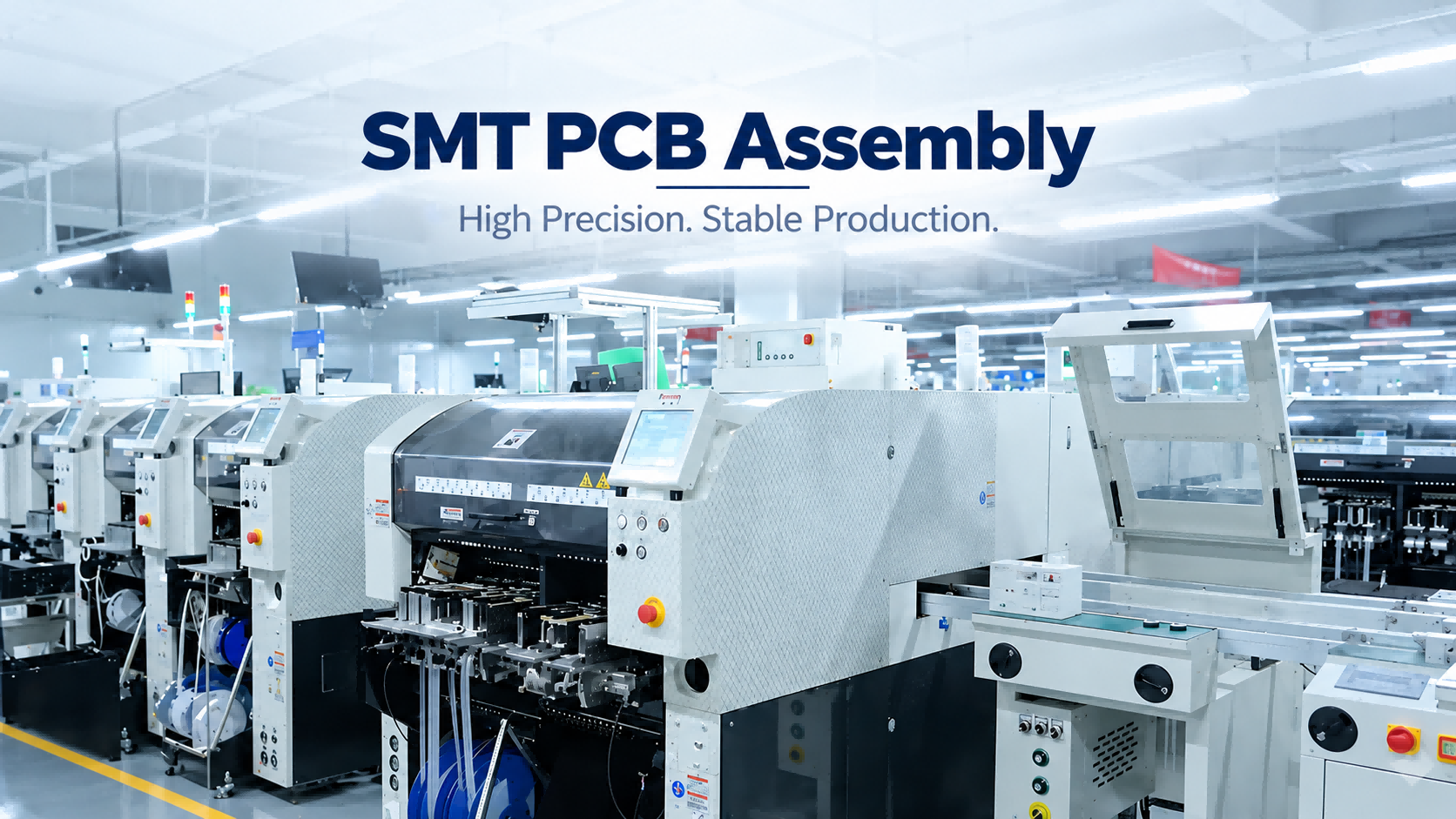
SMT PCB Assembly and Production
After the design is approved, the board moves into assembly.
SMT is widely used to place electronic components onto the PCB.
A typical process may include:
- Solder paste printing
- Component placement
- Reflow soldering
- Inspection
- Additional assembly
Good production depends on more than the SMT machine.
Component handling, process settings, solder quality, inspection, and work instructions all affect the final result.
For repeat orders, the process should be controlled so that each batch follows the same standard.
PCBA Functional Testing Matters
A completed board should not be judged only by appearance.
Testing helps confirm that the PCBA works as expected.
Depending on the project, testing may include:
- Electrical testing
- Functional testing
- Voltage checks
- Current checks
- Signal verification
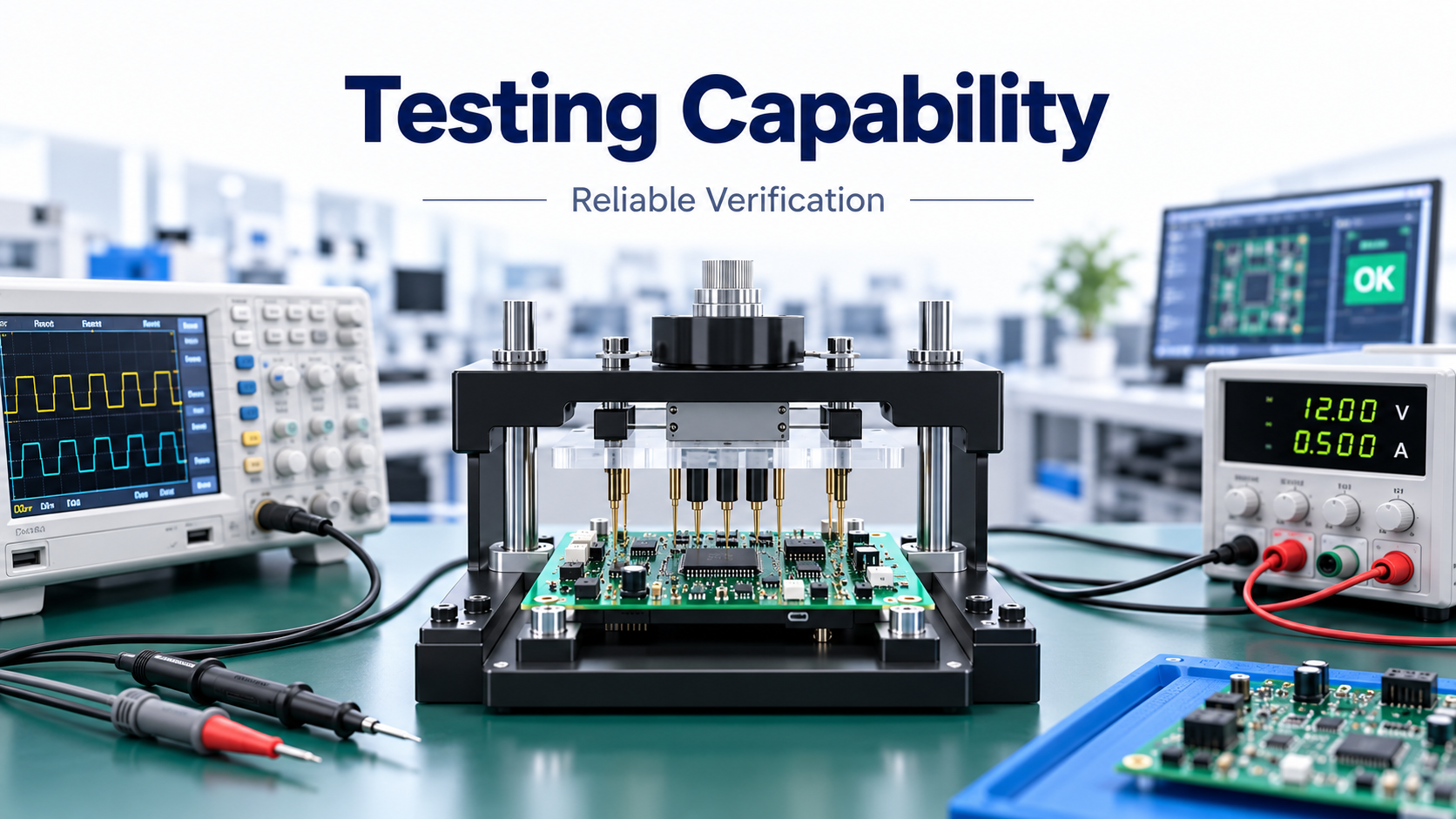
- Custom test fixtures
- Final verification
PCBA functional testing is especially useful when the board works as part of a larger system.
A board may pass a simple electrical check but still have problems during real operation.
For repeated production, a custom test fixture can also make testing faster and more consistent.
From Prototype to Stable PCBA Manufacturing
An approved sample is only one part of the job.
The next step is turning that sample into a repeatable process.
This may require:
- Final BOM confirmation
- Production files
- Assembly instructions
- Testing standards
- QC checkpoints
- Packaging requirements
- Traceability information
Stable PCBA manufacturing means the same design can be produced again with consistent quality.
A board that works once is not enough. The process must also work at scale.
What Can Be Customized in a Turnkey PCB Assembly Project?
A custom PCBA project may involve much more than changing the board size.
Common areas of customization include:
- Input voltage
- Output requirements
- PCB layout
- Connector type
- Connector position
- Thermal design
- Component selection
- Mounting holes
- Test points
- Mechanical interface
For example, one customer may need a different connector to match the wiring harness.
Another may need the board redesigned to fit a smaller housing.
These changes should be reviewed together with the production and testing process.
PCBA Manufacturing for Different Applications
Different products have different priorities.
Common PCBA applications include:
- Power supplies
- LED drivers
- Automotive electronics
- Industrial control
- Charging systems
- Lighting products
The power supply board may lean towards a design that emphasizes current and thermal.
Vehicle voltage, vibration and connector integrity may need to be taken into account when designing a new automotive board.
For some LED driver applications, stable current regulation and small size might be necessary.
That’s why a custom PCB design and assembly should reflect the final product, rather than the PCB.
Why Testing should be planned early
Testing should never be added only after production has started.
It makes more sense to focus on testing in the design phase.
The board may need:
- Test points
- Programming access
- Accessible connectors
- Fixture contact areas
- Measurement points
Without these, testing takes longer and can be more difficult.
Getting access to the test setups early on can help to streamline the later stages of manufacturing.
7 Things to Confirm Before Partnering with a Turnkey PCB Assembly Service Provider
Prior to the actual date of a project’s commencement, buyers should verify the following:
1.Design Support
Schematic/Layout/Design Review – Will the Vendor assist?
2.Prototype Capability
Can samples be built before mass production?
3.SMT Capability
Is there controlled SMT production for repeat orders?
4.Testing
Can the manufacturer facilitate electrical and functional testing?
5.Customization
Is the design, connectors, input, output, and layout adaptable?
6.Mass Production
Can the supplier still progress from sample approval to consistent batch manufacture?
7.Project Communication
Can engineering questions be discussed clearly before production?
Common Pitfalls
Begin with partial requirements.
Without clarity of voltage, output, connector type or installation space, the design may have to be altered afterwards.
Another issue is to design the board without production in mind.
The board could be OK but become difficult to build or test.
Missing the thermal design can be common, too, and in power products.
It is also risky to go into mass production ahead of the full verification of the prototype.
What is a problem in one sample can be huge in an entire production lot.
How DAMAVO Can Help You With A Complete PCB Assembly Turnkey Build
DAMAVO has experience and capability to support you with your PCB and PCBA project from early requirements to implementation in Production.
A project can begin from:
- A product concept
- Existing sample
- BOM
- Drawing
- Schematic
- Complete production files
Possible steps for the workflow may refer to requirement conveying, solution review, PCB design, prototype assembly, SMT production, functional test, sample confirmation and batch production.
Customization can include the input/output needs, printed circuit board design, connector types, thermal design considerations and test requirements.
Once samples are approved, the project can then move into controlled production and delivery.
Furthermore, DAMAVO has the PCBA usages support for this product; For example: Power Supply, LED Driver circuit, Automotive Electronics, and industrial control.
Conclusion
A quality PCBA project isn’t only about placing components on a PCB.
Interdependence of design, assembly, testing, and production.
Turnkey PCB assembly integrates these stages.
Optimizing PCB design and assembly will improve testing and installation, making it easier to build a PCB board.
Building upon an approved sample, stable production takes this unique design and combines it into a repeatable product.
In OEM projects, the ideal moment to resolve production issues is prior to general production.
Frequently Asked Questions
What Is Turnkey PCB Assembly?
It can be a combination of design review, PCB layout and sourcing, prototype assembly, SMT, testing, sample approval, and mass production.
Is a Project Possible to Start without Design Files?
Yes. A project may start from concept, sample, BOM, drawing or any partial design information.
What is the significance of prototype PCB assembly?
It is used to verify electrical function, dimensions, connector, installation fit, and other details prior to mass manufacturing.
Can I Test a PCBA?
Some of the testings include electrical testing, functional testing, custom fixture testing, and voltage and current testing.
Is It Possible to Customize the PCB Layout & Connectors?
Yes. Custom projects can check and change layout, type of connector, position of connector, input, output and thermal design.
What Is the Difference Between PCB Design and Assembly and PCBA Manufacturing?
What Is PCB Design and Assembly? PCB design and assembly creates and assembles the board. PCBA manufacturing also involves the repeatable manufacturing processes for large volumes.
How a Project Goes From Prototype to Mass Production
After sample approval, the final BOM, production files, test standards, QC points, and assembly process are frozen for repeatable production.
Dual USB C Car Charger Guide: Power Options, Vehicle Fitment, and OEM Integration
Magnetic Car Charger Guide: Charging Speed, Mounting & Phone Stability
Related Article
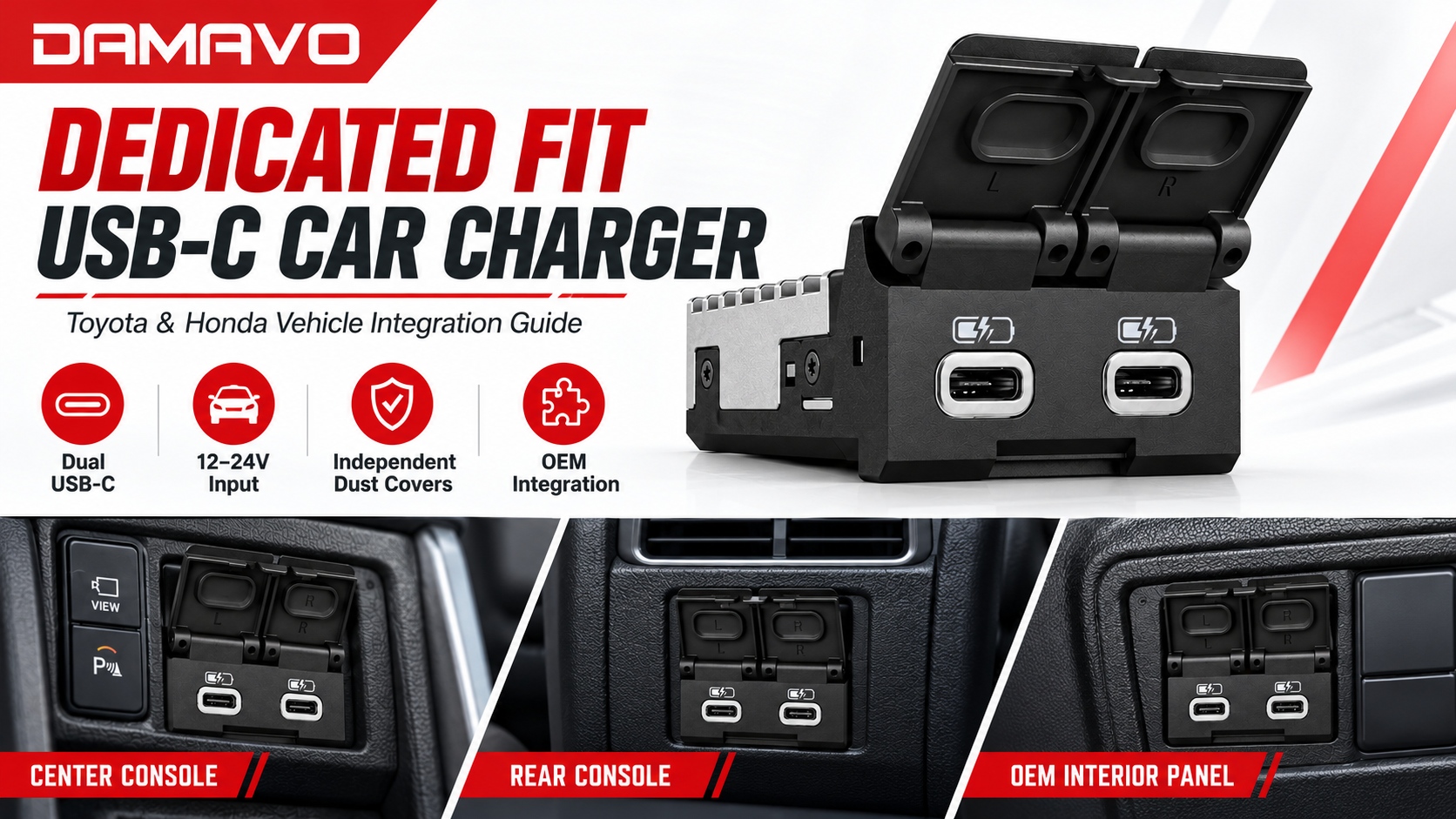
Learn how to choose a dual USB C car charger for Toyota and Honda applications. This guide covers charging power options, 12–24V input, vehicle fitment, electrical protection, LIN communication, and OEM integration for automotive charging projects.
Dual USB C Car Charger Guide: Power Options, Vehicle Fitment, and OEM Integration
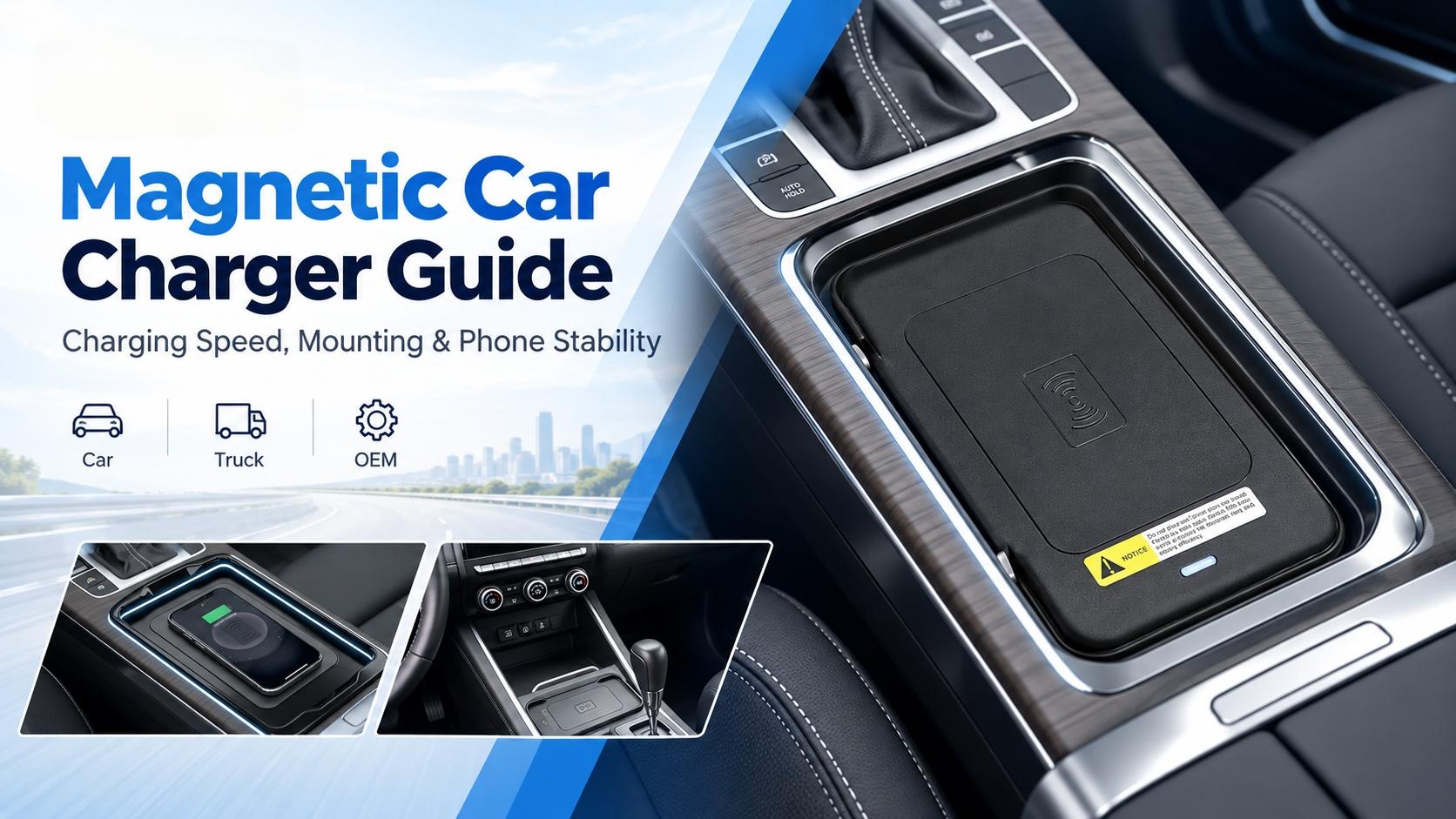
Learn how to choose a magnetic car charger by comparing charging speed, magnetic alignment, phone stability, heat, and mounting methods. This guide also covers magnetic wireless charger and car wireless charger options for cars, trucks, and OEM vehicle projects.
Magnetic Car Charger Guide: Charging Speed, Mounting & Phone Stability
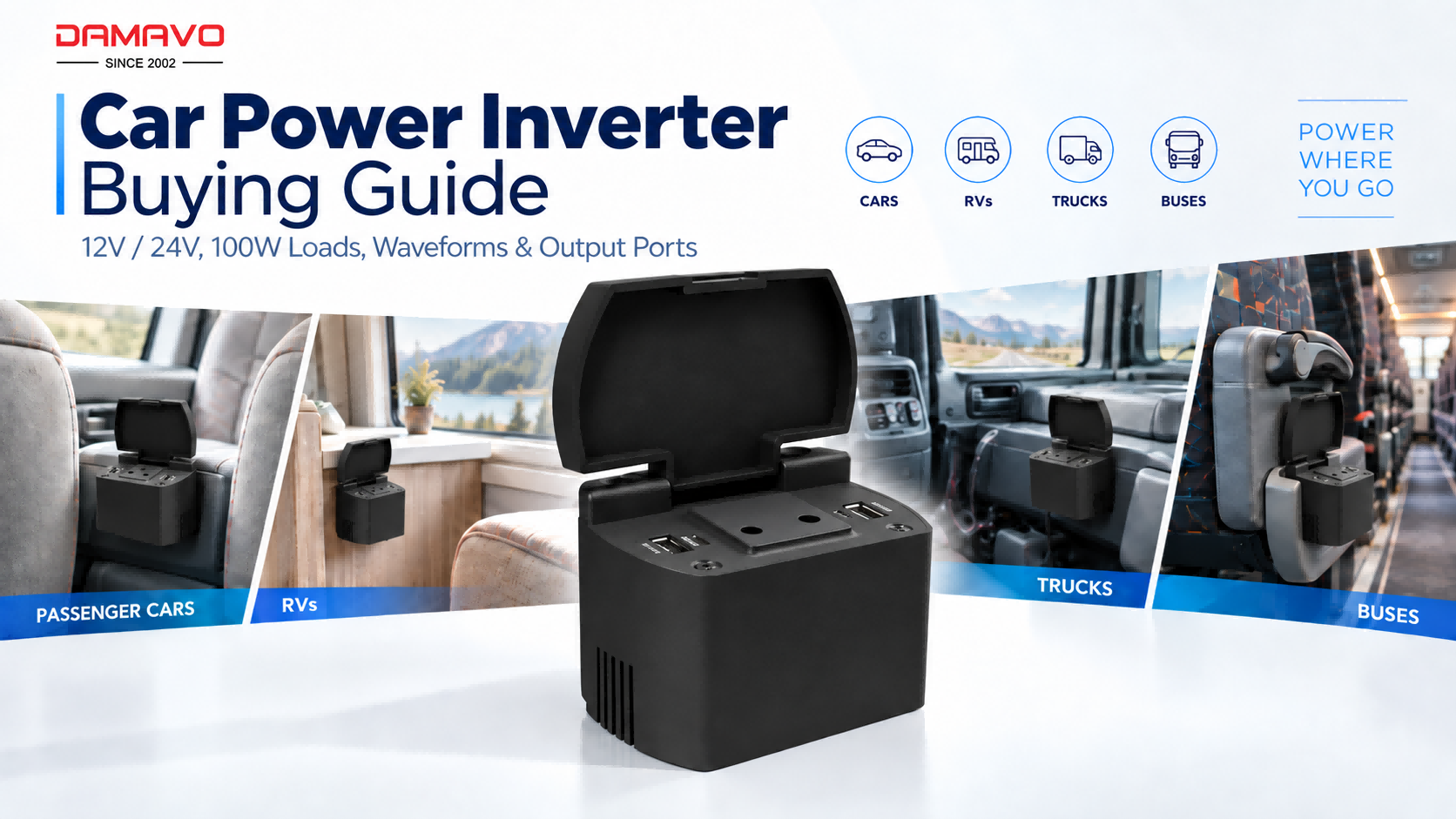
Learn how to choose the right car power inverter by comparing 12V and 24V systems, 100W power, modified sine wave output, AC voltage, USB ports, and common vehicle applications.
Car Power Inverter Buying Guide: 12V, 24V, 100W, and Modified Sine Wave Explained
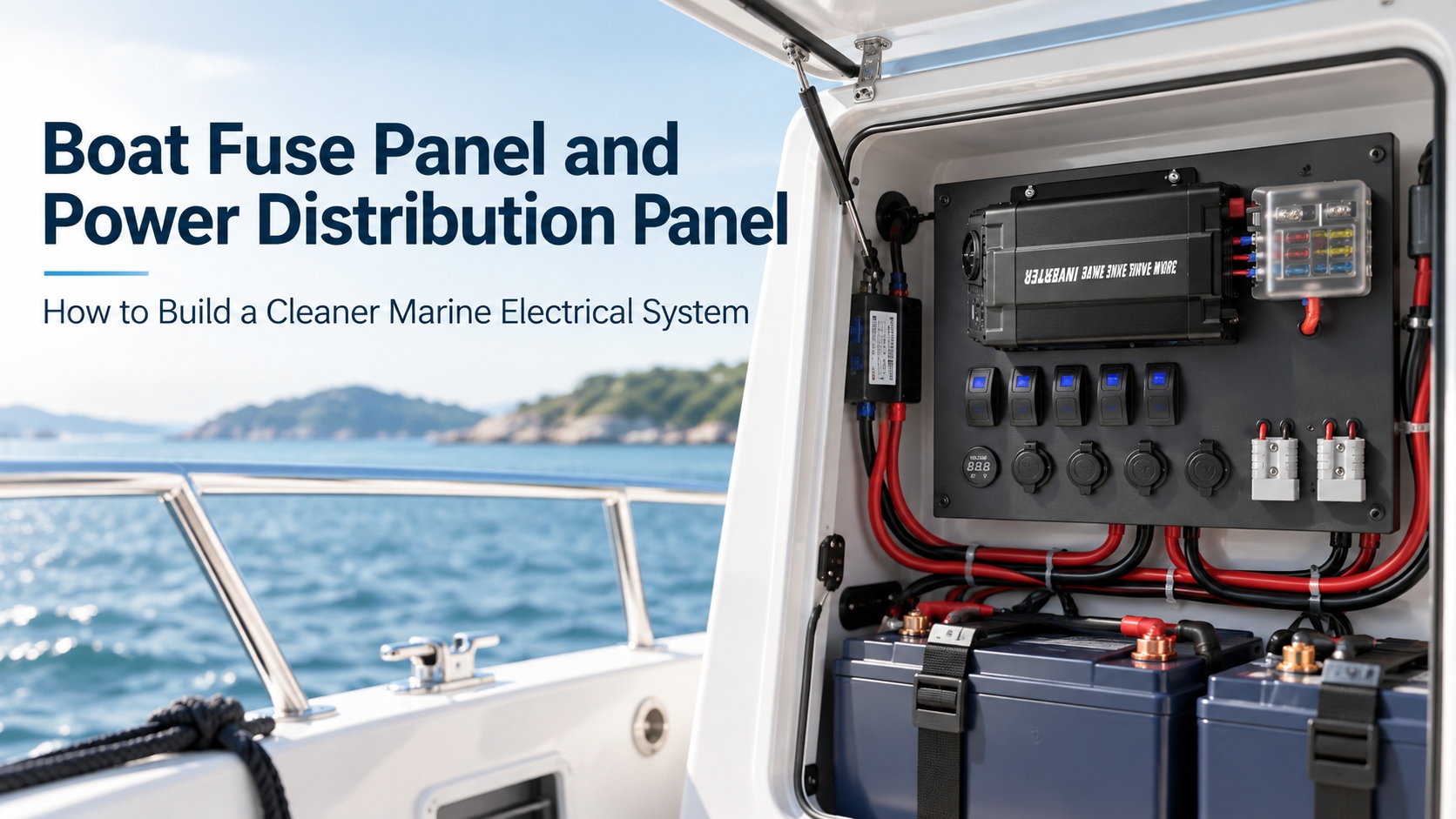
Learn how a boat fuse panel, marine switch panel, and power distribution panel work together to create a cleaner and more organized marine electrical system. This guide covers circuit protection, power distribution, switch control, voltage ratings, wiring layout, and OEM customization.
Boat Fuse Panel and Power Distribution Panel How to Build a Cleaner Marine Electrical System