
Dual USB C Car Charger Guide: Power Options, Vehicle Fitment, and OEM Integration
author: DAMAVO
2026-10-20
A charging port is only a tiny part of your vehicle interior, but picking the right one can be hard work.
A compatible phone charger in your one vehicle may not fit another. A module powerful enough to charge one device may also be insufficient to charge two devices simultaneously. For vehicle manufacturers and aftermarket brands, Mounting Size and Wiring are just as important as Charging Power.
A dual USB C car charger offers an easy way to charge two compatible devices from one location. However, it can be challenging to find a model that fits your vehicle, delivers the necessary power, and is compatible with your electrical system.
Here are some key factors to keep in mind when choosing a module to upgrade a vehicle or OEM application.
1. Begin With the Specific USB C Car Charger You Require
Not every USB C car charger is intended for the same objective.
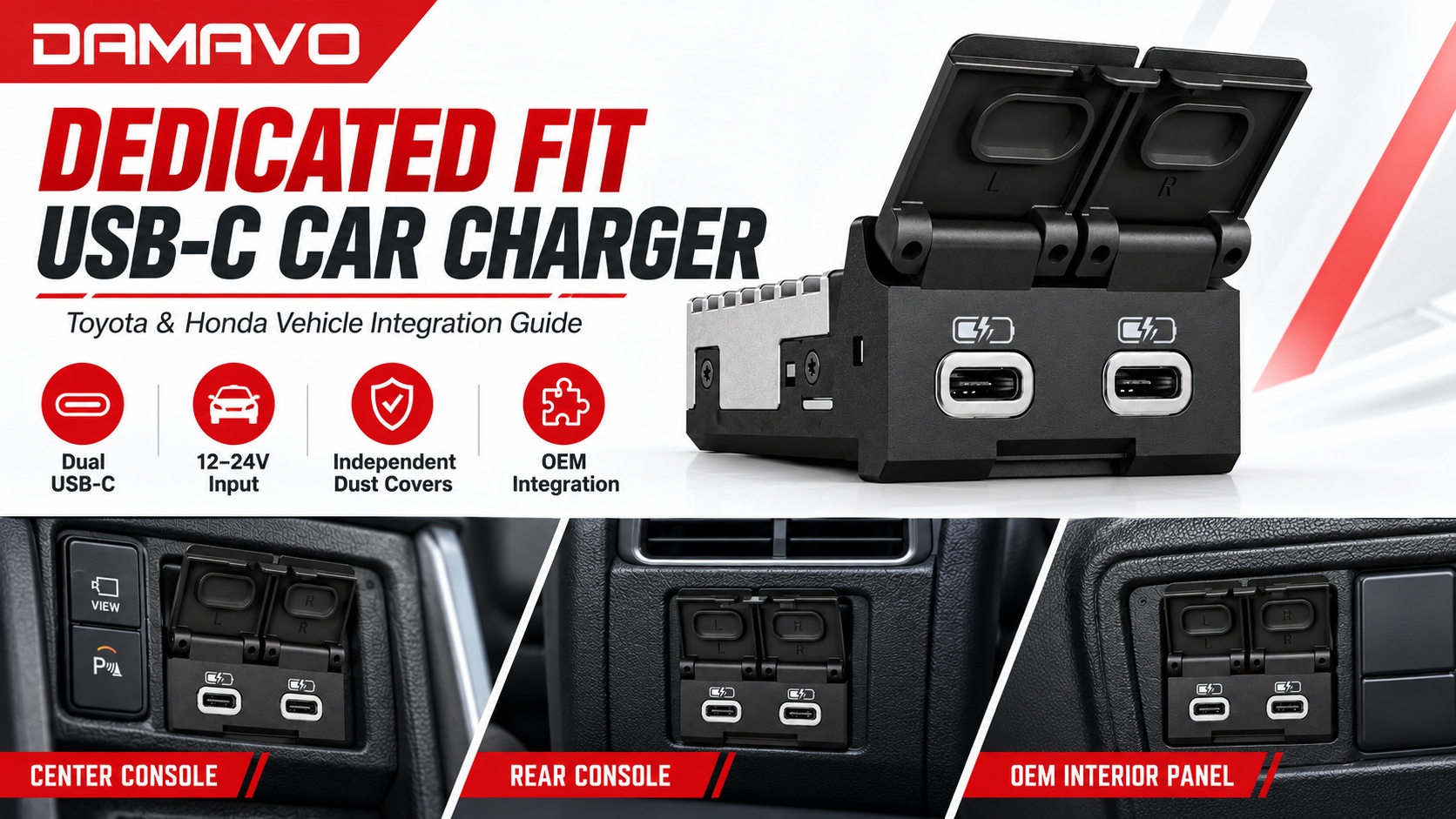
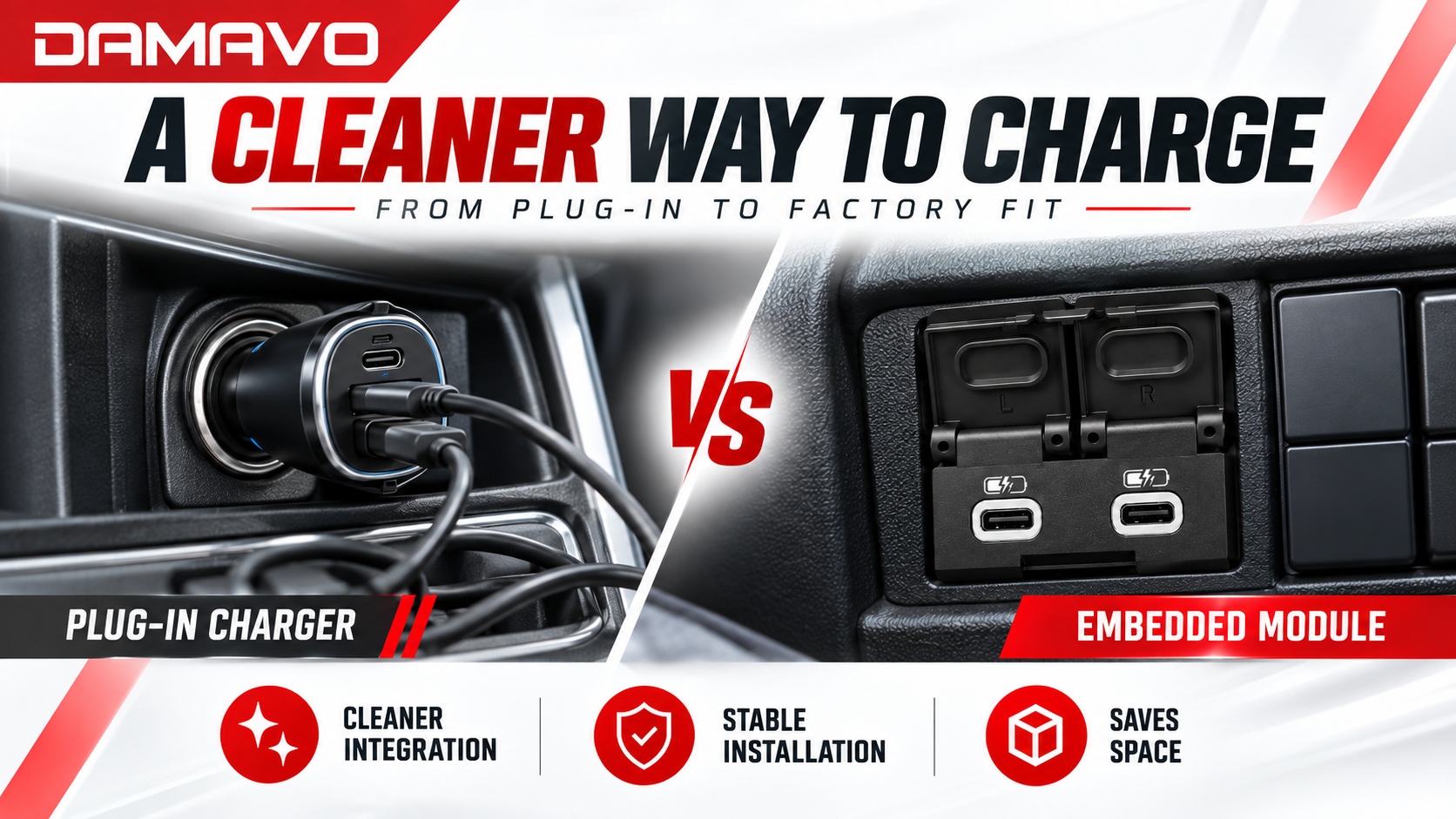
This plug-in type is familiar as it goes into a vehicle’s accessory power socket. But an embedded charging module is a bit different, in that it goes into a panel or a dedicated hole in the vehicle interior.
That matters when look is king and where it’s going to be installed. With an embedded module, you can customize the look and feel of the interior or upgrade an existing charging port without adding another device on the dash.
The first question OEM buyers want to know is not just “does the charger have two ports?” Instead, it is: “How does this product fit the vehicle’s mounting space, wiring, and charging requirements?”
2. How Much Is Too Much Charging Power?
Power is usually the first feature shoppers look at, but the biggest number isn’t always the best.
Your phone, tablet, and laptop may all need completely different charging requirements. And even all two different phones may vary in power draw from different charging standards and battery capacity levels.
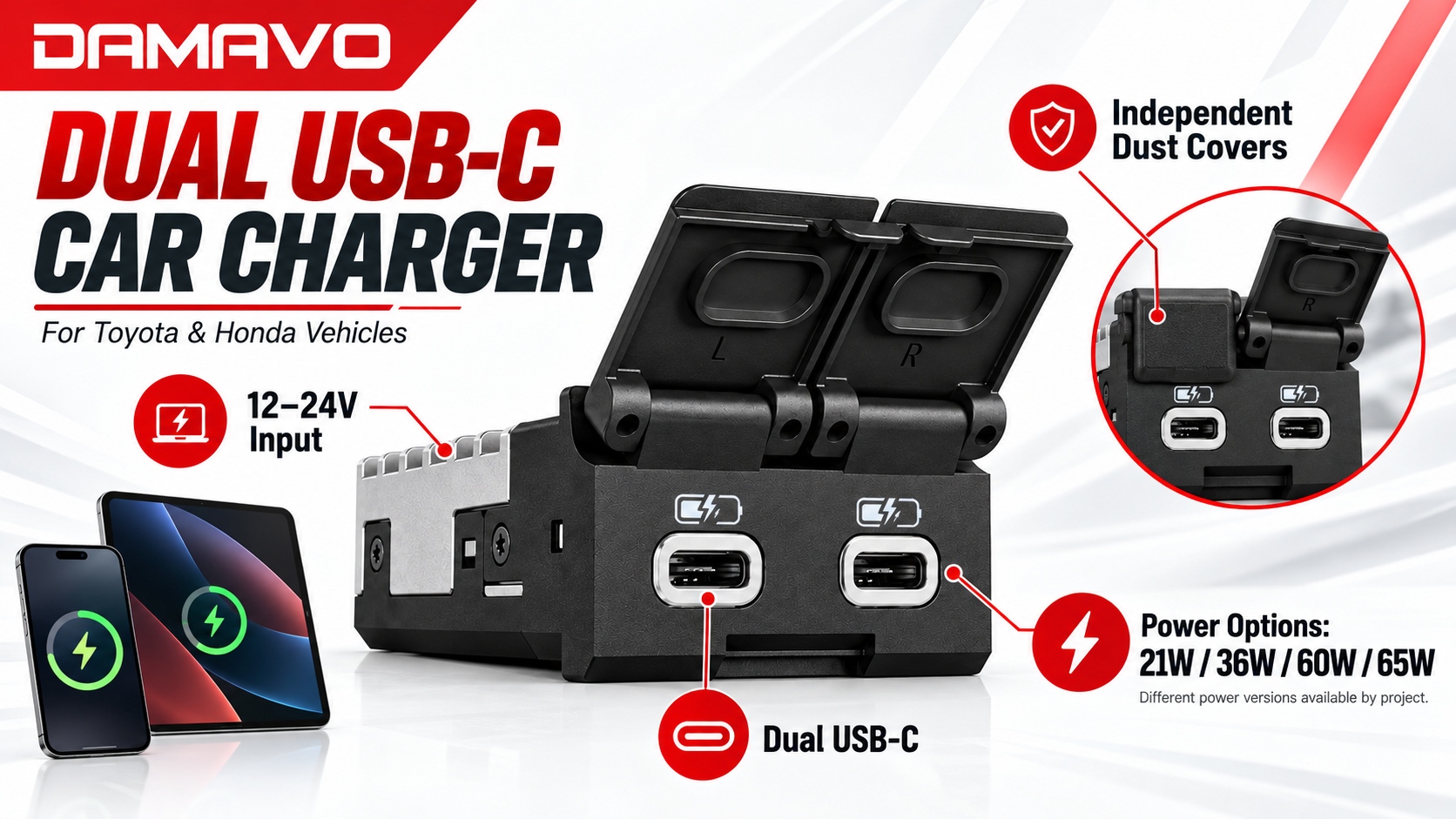
DAMAVO's automotive USB charging module range includes options rated at 21W, 36W, and 60W, as well as a 65W × 2 configuration. The appropriate version depends on the intended application and the confirmed specifications of the model.
For a standard vehicle package, a lower-power version may be sufficient. A higher-specification package may call for more charging capacity.
There is one detail worth checking carefully: how the power is delivered when both USB-C ports are in use. When considering a dual-port charging station, it should be assessed based on its rate for each port and its concurrent output, not based on the biggest number on the product’s packaging.
For the 65W×2 version, can it charge at its full rated output when two ports are in use simultaneously? The charging protocols supported as well as the devices it is plugged into can influence actual charging power.
3. Vehicle Fitment A small measurement can have a profound impact
Power ratings don’t inform you if a charging module will fit the vehicle.
Mounting dimensions, connector positions, and cable routing can all impact installation.If the module does not match the available opening, the installer may need to modify the panel or find another mounting solution.
DAMAVO offers dedicated-fit charging modules for Toyota and Honda applications. The specified installation dimension for the relevant design is 45*23mm.
Before ordering, compare this measurement with the target vehicle's opening and installation drawing. A vehicle model may have different interior configurations, so the intended application should be confirmed rather than assumed.
A dedicated-fit design can help aftermarket brands standardize their installation process. It can also be useful for fleet operators who want the same charging arrangement across multiple vehicles.
For OEM and Tier 1 projects, it is best to confirm the mechanical interface before moving too far into sample development.
4. Check the Vehicle Voltage and Protection Features
Input voltage is another specification that should be settled early.
A charger rated for 12V electrical systems should not be used in a 24V vehicle. DAMAVO’s range of charging modules supports 12–24V DC input, depending on the model selected.
Protection features should also be considered, especially if you know that the charger will be installed in a car and used daily.
The protection functions listed are overvoltage, undervoltage, short-circuit, and overtemperature. These protection functions allow the module to handle conditions that are outside of its design limits.
However, protection capabilities are merely one component of a dependable install. Proper wiring, the use of appropriate connectors, and running within the model’s rated limits still matter.
For buying teams, it is worth cross checking these with the specification sheet for the exact type that is being ordered.
5. Does Your Automotive USB Charger Need LIN Communication?
Some projects require a charging module to do more than supply power.
LIN, short for Local Interconnect Network, is a communication protocol used in automotive electronics. Whether a charging module needs LIN depends on the vehicle's electrical architecture and the requirements of the integration project.
DAMAVO offers versions with and without LIN communication support.
If LIN is required, buyers should explain the intended application during the early engineering discussion. The interface and required communication behavior need to be checked against the vehicle system.
This is especially relevant for suppliers working on more integrated vehicle electronics projects. Selecting a non-LIN version when the project requires communication can lead to avoidable design changes.
On the other hand, a project that does not need LIN may be better served by a version without it. The choice should follow the actual vehicle requirements.
6. Housing Design: Aluminum and PC
The housing affects more than the appearance of the charging module.
DAMAVO has Aluminum & PC for the relevant product series. Aluminum provides high strength structure and can help transfer heat, and PC could be used for formed housing components and electrical insulation.
Thermal performance will be affected by the entire design of the system, including the inner components, mode of operation and installation conditions.
When the part is for use in a vehicle, consider the mounting strength, connector retention and the space around the module. The part that fits a drawing needs to fit in the finished interior.
It is important to check these specifics when reviewing samples, before the design is cleared for manufacturing.
7. What OEM Buyers Need to Verify Before placing Your Order
The majority of issues are simpler to manage when demands are defined at the start of a task.
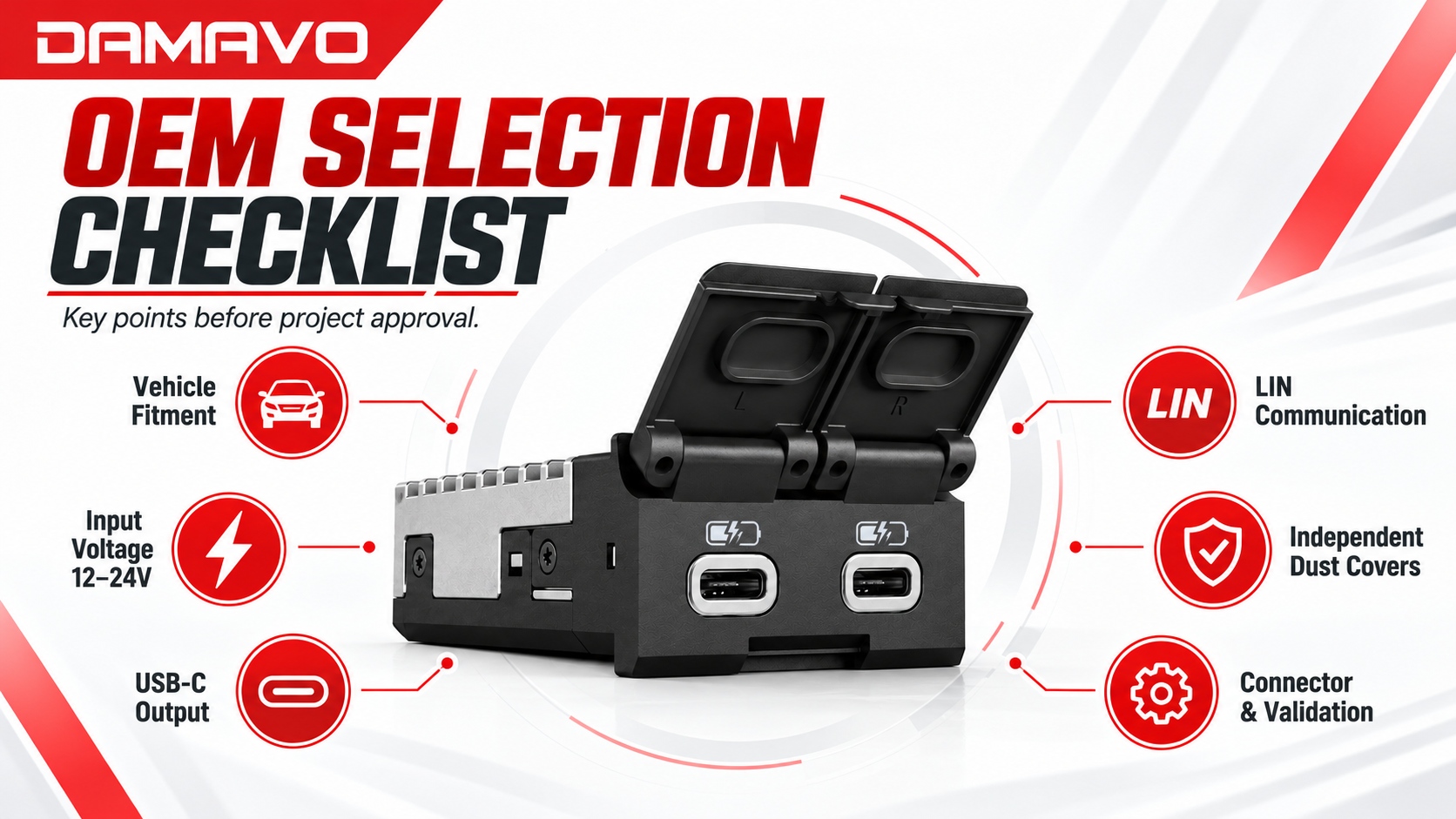
Prior to choosing an automotive usb charger, make sure the following with the supplier:
Power: How much power can you put out from each port? How much power is divided between the ports when they are all charging simultaneously?
Voltage: Does this work with your 12V or 24V electrical system?
Design Compatibility: Did you compare the mounting dimensions and the position of the connector to the vehicle?
Protection: What Electrical/thermal Protection functions are provided?
Communication: Does the project require a LIN-enabled version?
Validation: What fitment and charging tests must the sample pass before approval?
Additionally, an agreement on the final specification, packaging and the quantity of production prior to ordering a batch would be beneficial.
A brief engineering review at this stage can prevent a long list of questions later.
How DAMAVO Can Be Useful for automotive USB charging Projects
DAMAVO is a manufacturer of lighting and power products for automotive and mobile applications. Automotive USB Charging Module PM features a choice of output ratings, dedicated fit for Toyota and Honda, aluminium or PC enclosure, LIN communication or no LIN communication.
These options are for vehicle OEMs, Tier 1s, aftermarket brands and fleet interior integrators.
For new projects, buyers can quote the target vehicle, installation drawing, output power needed, input voltage, connector information and LIN communication requirements.
Using this data, the team can then check the proposed set-up and determine at which stage they need to verify during sample testing.
The goal is simple: select a charging module that is compatible with the vehicle and satisfies the electrical and integration requirements of the project prior to entering production.
Conclusion
While a dual USB C car charger might seem like a minor part of your system, it actually sits at the convergence of charging capacity, vehicle compatibility, and electrical fitment.
In some applications, output power is the top priority; in others, its the mounting size or LIN communications needed.
A good place to start is to specify the application, verify the relevant model number’s specification, and validate your design in the production vehicle prior to the go-ahead.
Frequently Asked Questions
What Is a Dual USB C Car Charger?
It is a vehicle charging module with two USB-C ports for connecting two compatible devices.
What Is the Difference Between a Plug-In Charger and an Embedded Charging Module?
A plug-in charger fits into an accessory power socket. An embedded module is designed for installation in a vehicle panel or a dedicated mounting opening.
How Do I Choose the Right Charging Power?
Start with the devices that will be connected. Then confirm each port's rated output, supported charging protocols, and the total power available when both ports are used.
Can a USB C Car Charger Support Both 12V and 24V Input?
Some models support 12–24V DC input. Always confirm the input range of the exact model before installation.
What Does LIN Communication Mean for an Automotive Charging Module?
LIN is an automotive communication protocol. A LIN-enabled module may be suitable for projects that require communication with the vehicle's electronic system, provided the interface meets the project requirements.
Can DAMAVO Supply Custom Automotive USB Chargers for OEM Projects?
DAMAVO offers different power configurations and versions with or without LIN communication, along with dedicated-fit options for relevant Toyota and Honda applications. The available configuration should be confirmed for each project.
PCB Assembly Guide For PCB Design and Assembly up to PCBA Manufacturing
Related Article

Learn how turnkey PCB assembly connects PCB design and assembly, prototype PCB assembly, SMT production, functional testing, and PCBA manufacturing into one complete process for OEM projects.
PCB Assembly Guide For PCB Design and Assembly up to PCBA Manufacturing
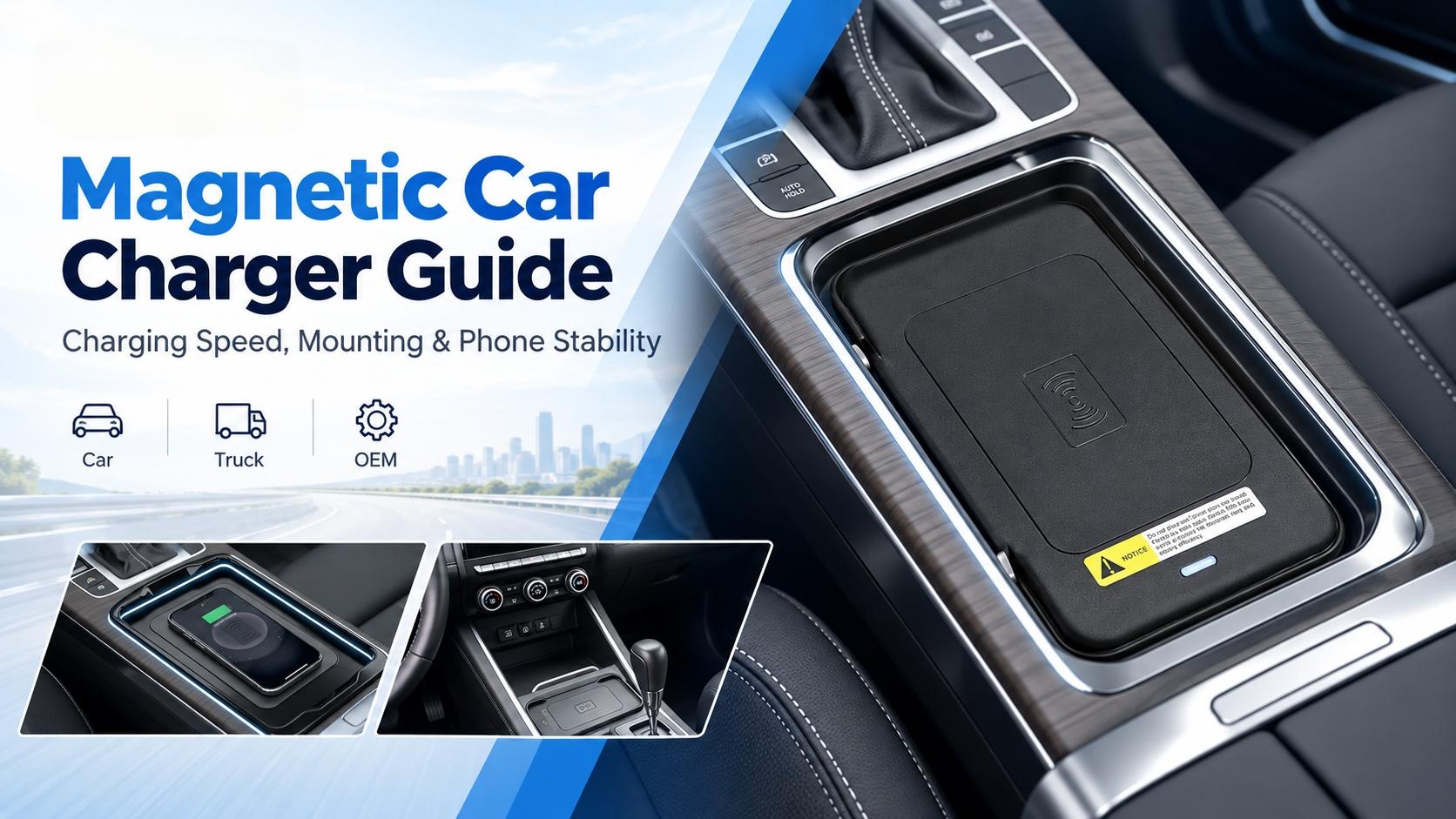
Learn how to choose a magnetic car charger by comparing charging speed, magnetic alignment, phone stability, heat, and mounting methods. This guide also covers magnetic wireless charger and car wireless charger options for cars, trucks, and OEM vehicle projects.
Magnetic Car Charger Guide: Charging Speed, Mounting & Phone Stability
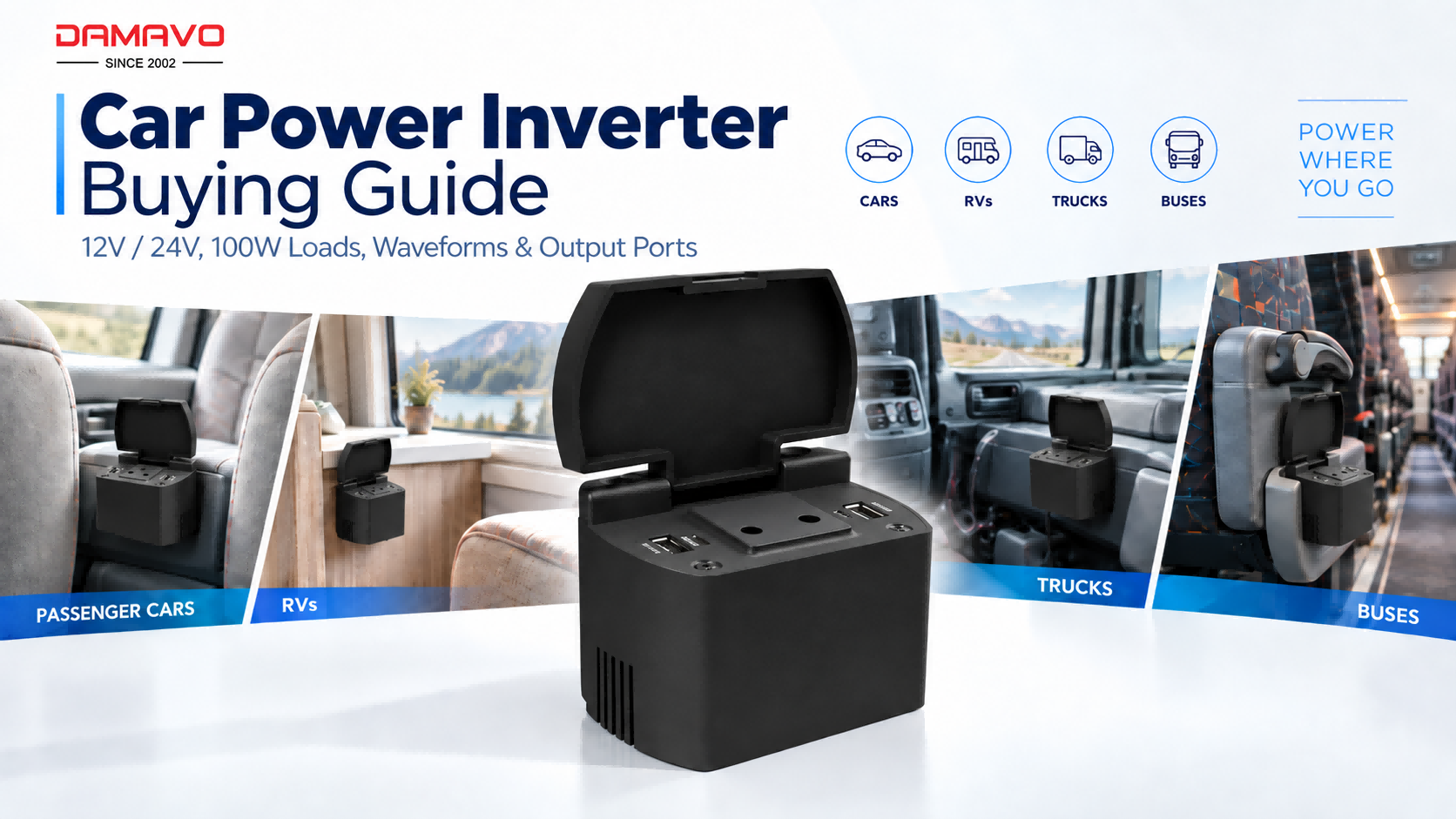
Learn how to choose the right car power inverter by comparing 12V and 24V systems, 100W power, modified sine wave output, AC voltage, USB ports, and common vehicle applications.
Car Power Inverter Buying Guide: 12V, 24V, 100W, and Modified Sine Wave Explained
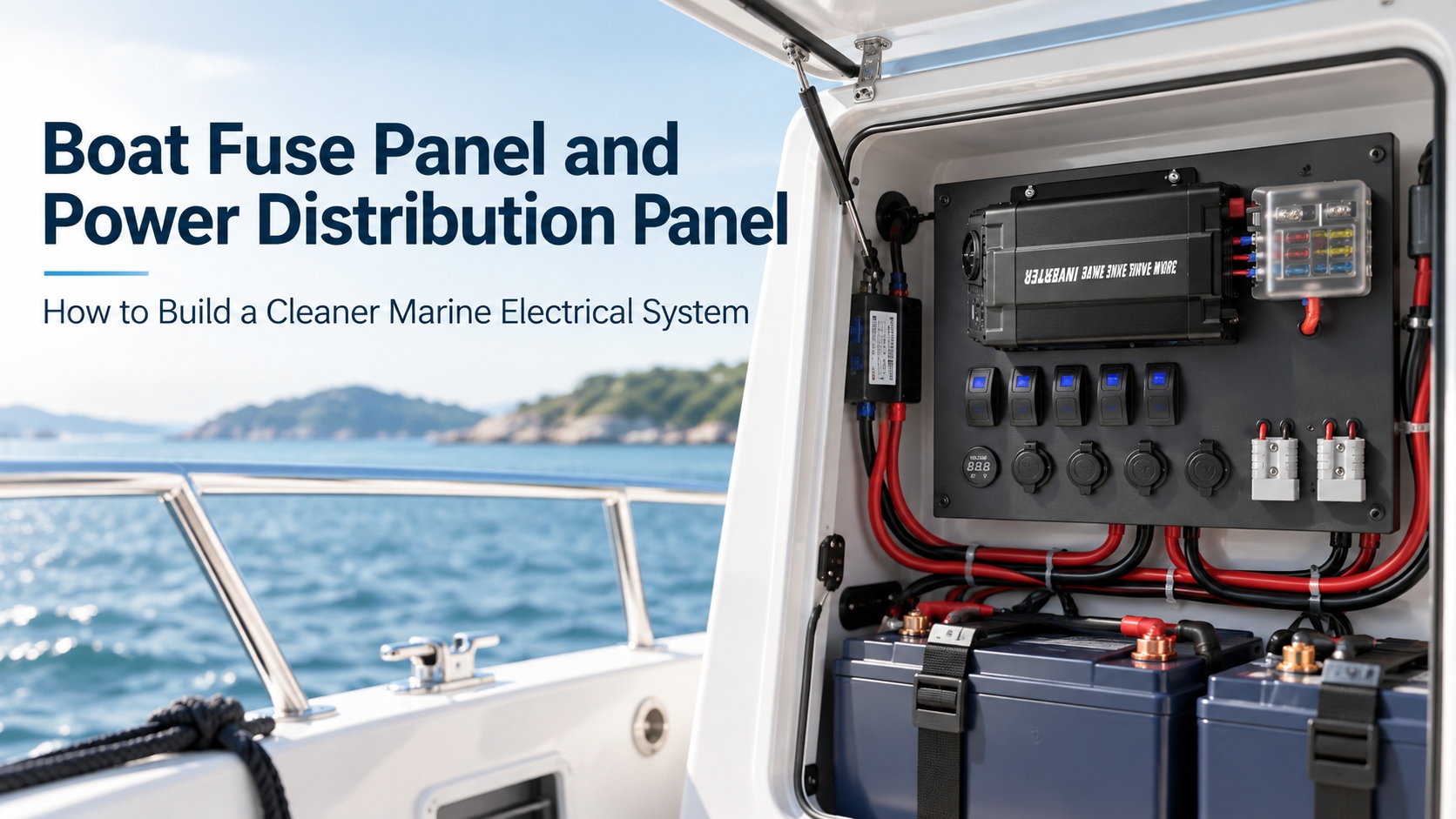
Learn how a boat fuse panel, marine switch panel, and power distribution panel work together to create a cleaner and more organized marine electrical system. This guide covers circuit protection, power distribution, switch control, voltage ratings, wiring layout, and OEM customization.
Boat Fuse Panel and Power Distribution Panel How to Build a Cleaner Marine Electrical System