
Magnetic Wireless Car charger: How does Fast charging influence a Magnetic Car charger
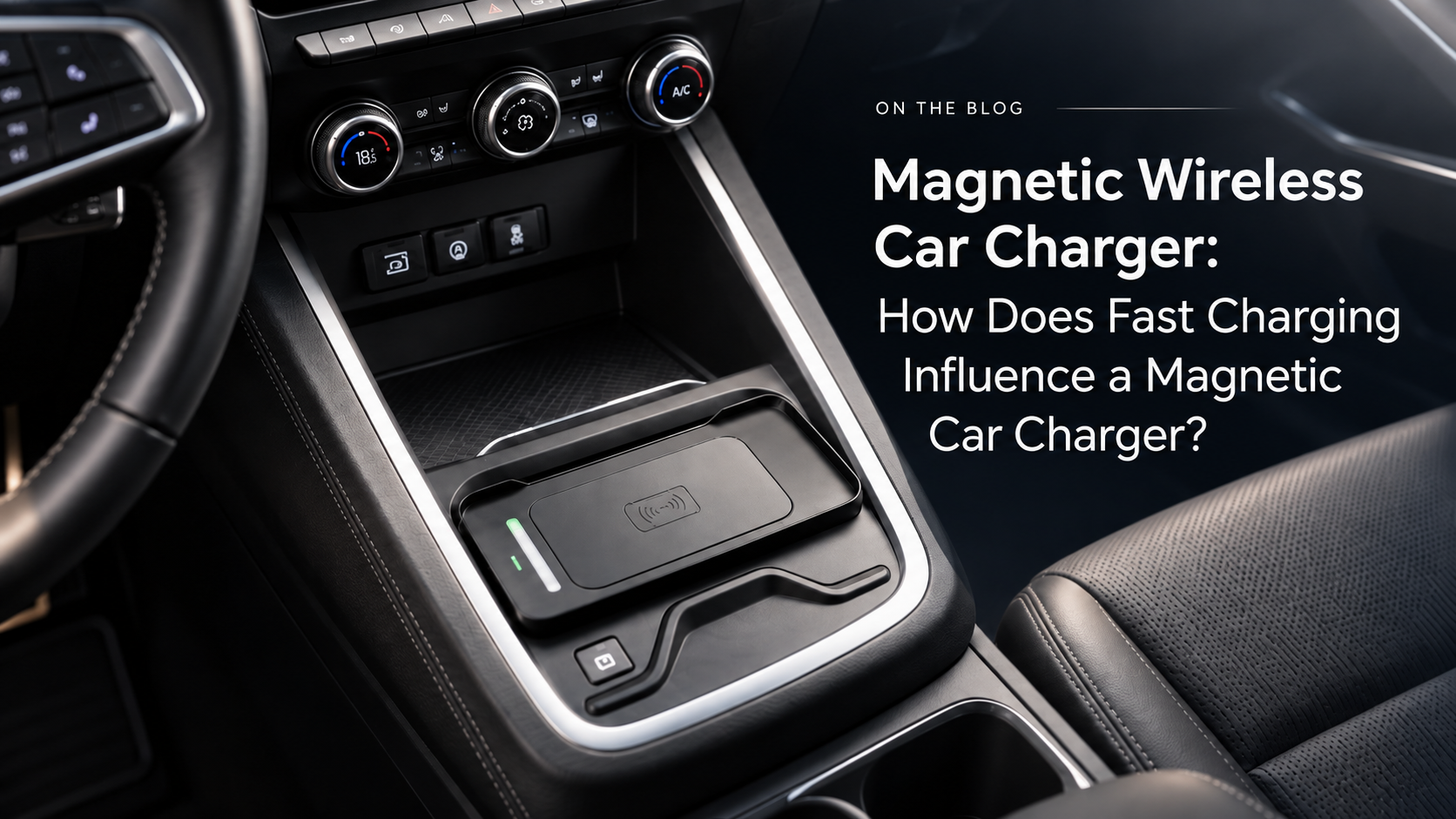
A magnetic wireless charger can be much more convenient for charging your phone in a car. You just need to put the phone on it, the magnets keep it in place and you can start charging without inserting a cable into the phone.
But the speed that a reader charges is not simply a matter of watts.
A quick charging wireless charger‘s also going to be dictated by phone support, where the coil is. If the phone is in position, and where the charger is mounted, the heat, the fact that the bus is moving also is sensitive to the magnetic strength. When the phone slide off the coil, the charging get slower or stop.
So, it is wiser to consider the overall package when buying a magnetic car charger. It is not the number printed on the product that counts.
1. Does Higher Wireless Charging Power Always Mean Faster Charging?
No.
However, the phone grants a charger the permission to produce more power than its maximum output.
For instance, even though a charging capability exists (15W wireless charging for example) through a charger, if the phone receives only10W then is still able to charge almost at its maximum supported load.
It can change while being charged.
Phone may slow down the charge when the battery level increases or the phone gets hot. It is normal and helps the battery temperature.
This is the reason why a high wattage number will not necessarily lead to a quick charge.
When comparing products, check:
- Maximum wireless output
- Supported charging protocol
- Phone compatibility
- Temperature performance
These give a more realistic picture of actual charge rate.
2. Why magnetic alignment is important
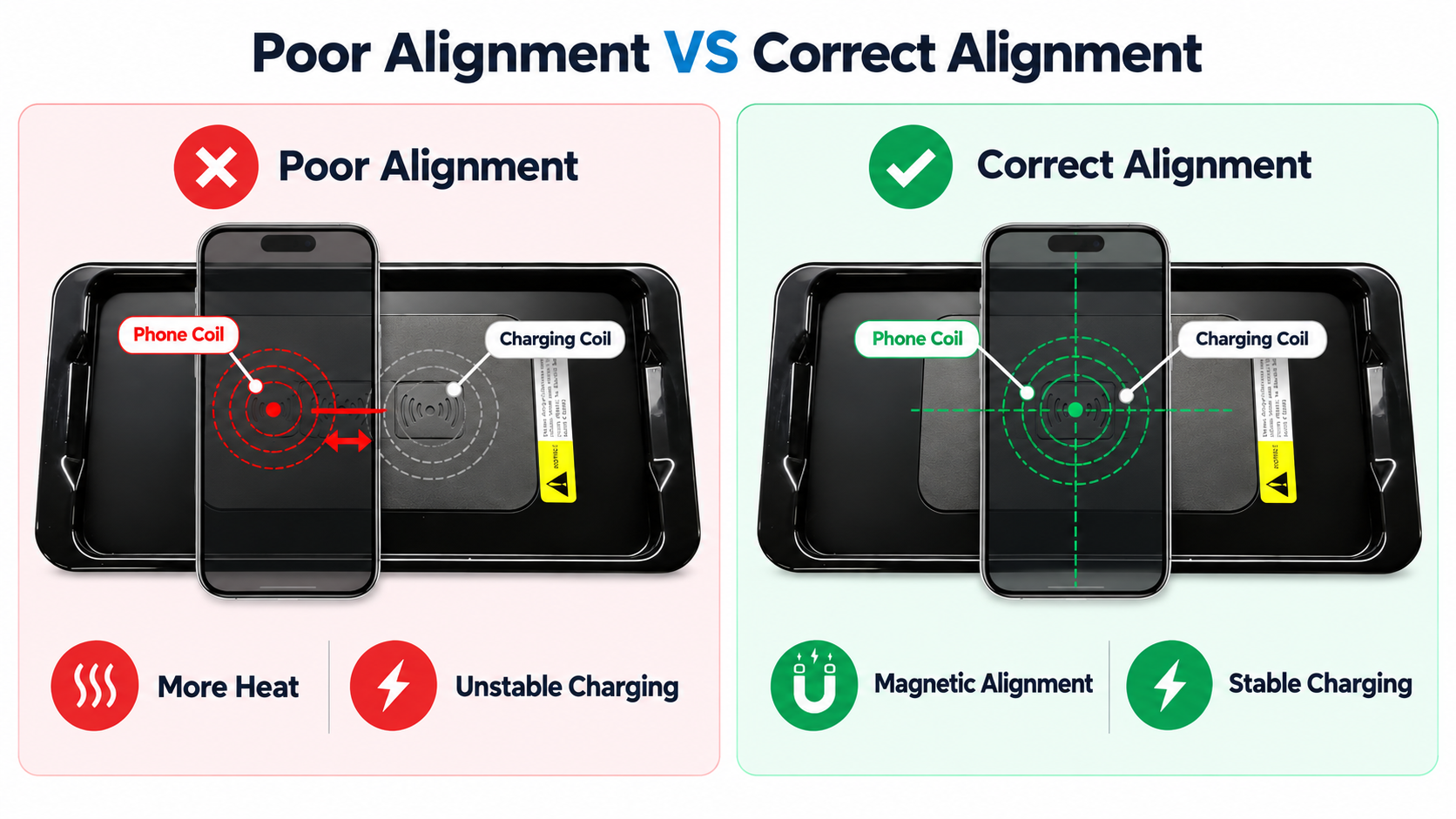
Wireless charging is most efficient when the coil of the charger and coil of the phone are in near-perfect alignment.
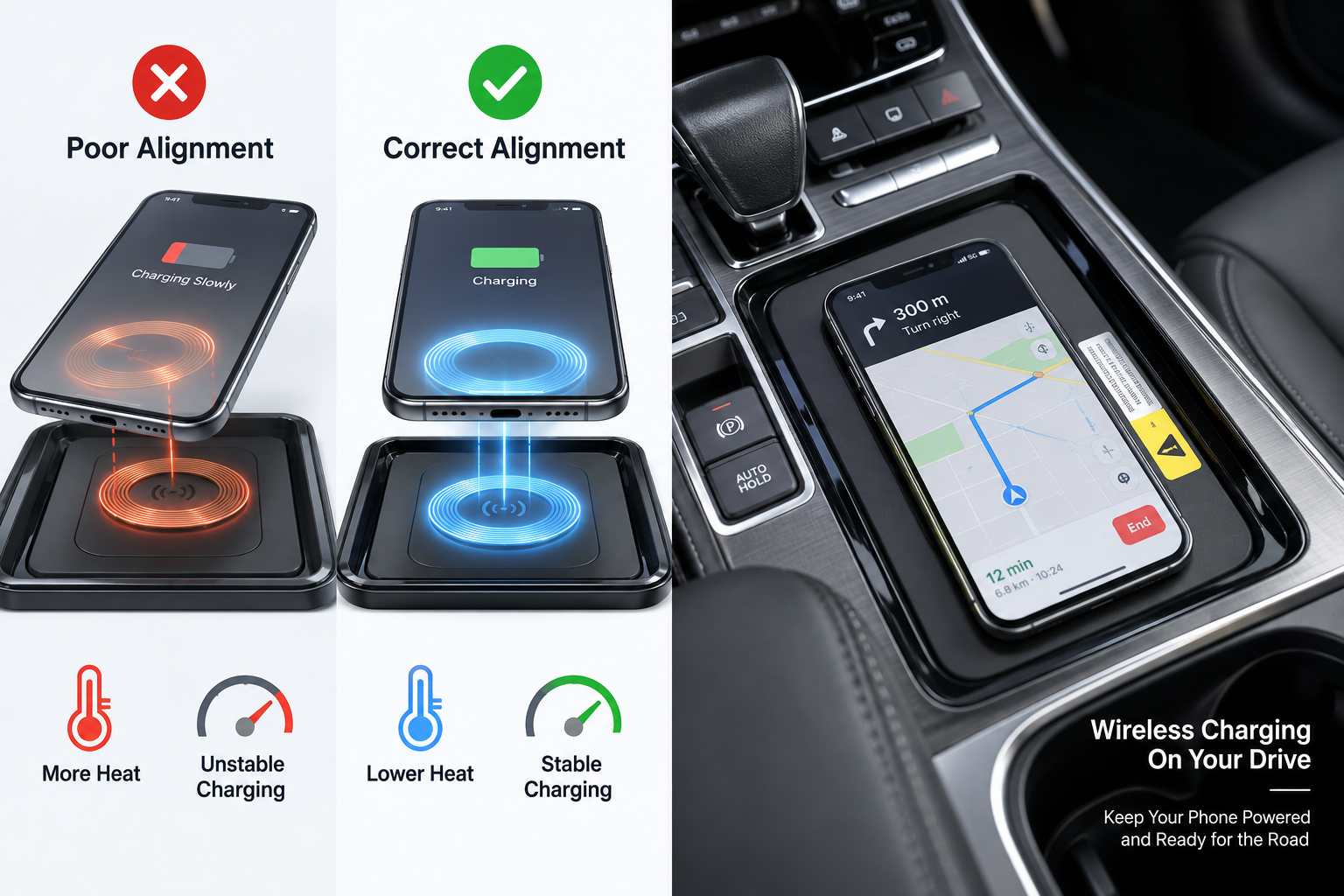
You may find after a week that if the phone is not very centered the charge gets slow. Energy is more easily lost as heat.
This is when a magnetic wireless charger can be of advantage.
The magnets in the phone attract the magnetic components to the charging port and hold it there.
This is particularly handy in a vehicle because the phone will shift position when the car turns, brakes or goes over a bump.
A good magnetic car charger ought to grip the phone securely to minimize the movement but still be easy for one hand removal.
Improved matching ensures both better charging stability and better everyday performance.
3. Heat can reduce fast charging speed.
heat is required in standby and power transfer, but excess heat is resulted in slow wireless charging.
Several things can make the charger or phone warmer:
- Higher charging power
- Poor coil alignment
- Thick phone cases
- High cabin temperature
- Direct sunlight
- Poor airflow
Cars can already become hot in warm weather, especially near the dashboard or windshield.
If the charger is installed in one of these areas, heat control becomes more important.
A fast charging wireless charger should not only provide high output. It should also manage heat well enough to keep charging stable.
For OEM projects, it is useful to test the charger in the real mounting position instead of only testing it on an open desk.
4. Where the Magnetic Car Charger Is Installed Matters
The same charger can feel very different depending on where it is mounted.
A charger on a dashboard needs to keep the phone stable while driving. A charger inside a center console may need a different angle and more space around the phone.
Before choosing the mounting position, check:
- Is the phone easy to reach?
- Can the driver see the screen clearly?
- Is the magnet strong enough for the mounting angle?
- Is there enough room behind the panel?
- Will sunlight heat the charger?
- Can the cable be routed cleanly?
The phone should also sit close to the charging surface.
If trim parts or a thick case push the phone too far away, wireless charging may become less stable.
5. What Charging Power Is Enough for Daily Driving?
It depends on how the phone is used.
If the phone is only charging during a short drive, very high output may not be necessary.
But many drivers also use:
- GPS navigation
- Bluetooth
- Music
- Mobile data
- Bright screens
- Hands-free calls
These functions use power at the same time.
If wireless charging is too slow, the phone may charge very little or only keep the battery at the same level.
For long trips, RV use, trucks, and commercial vehicles, faster charging can be more useful.
Still, stable charging is more important than a high peak number that drops after a few minutes because of heat.
6. Magnetic Strength Should Match the Vehicle
A magnetic charger needs enough holding force to keep the phone in place.
If the magnet is too weak, the phone may move during braking or on rough roads. This can affect charging and make the mount harder to use.
But stronger is not always better.
The phone should still be easy to remove when needed.
For vehicle projects, magnetic strength should be checked with:
- Different phone sizes
- Different phone cases
- Vertical mounting
- Vehicle vibration
- Repeated daily use
The goal is simple: keep the phone stable while driving, but do not make it difficult to remove.
7. What Should OEM Buyers Check?
For an OEM project, charging power is only one part of the product.
Before making samples, it helps to confirm:
- Vehicle input voltage
- Wireless charging output
- Charging protocol
- Magnetic holding force
- Coil position
- Temperature performance
- Mounting size
- Housing design
- Cable and connector type
- Custom logo or color needs
Some projects may also need changes to the housing, cable length, connector, mounting method, or charging setup.
These details are easier to solve before sample production than after the design is already fixed.
Magnetic Wireless Charger or Standard Wireless Charger?
The main difference is positioning.
A standard wireless charging pad usually depends on the user placing the phone in the correct area.
A magnetic wireless charger helps guide the phone into position and keep it there.
This can be more useful in cars, RVs, trucks, and other moving vehicles.
A normal wireless pad may work well on a flat console. A magnetic car charger is often better when the phone needs to stay visible and stable while driving.
FAQ
Does a Higher Wattage Magnetic Wireless Charger Always Charge Faster?
No. The phone, charging protocol, temperature, and coil alignment all affect real charging speed.
Why Does a Fast Charging Wireless Charger Get Hot?
Wireless charging creates some heat. High output, poor alignment, thick cases, and hot vehicle interiors can increase it.
Enabling Magnetic Alignment?
It can. Encouraging proper alignment results in the phone being kept nearer the correct position and can enhance the stability of charging.
Can I Run the GPS While Using a Magnetic Wireless Charger?
Yes. However, using the GPS, mobile data, the brightness of your screen, and other functions of your phone all drain power and might slow charging.
Does a phone case impact magnetic wireless charging?
Yes. A case that is thick or non-magnetic might decrease the hold force and may decrease the charging distance.
What Should OEM Buyers Ask Before Ordering a Magnetic Car Charger?
Ask about voltage, charging power, protocol, magnetic force, heat testing, mounting size, cable type, and customization options.
Conclusion
A magnetic car charger shouldn‘t just display a large number of watts.
‘Good charging performance is the sum of power, coil Positioning, heat control, magnetic flux density and correct mounting position’.
The ideal configuration is stable, charges at a constant rate and is small enough to fit into the enclosure.
That matters even more in OEM projects, where the charger must work well not only as a sample, but also after it goes into regular production.
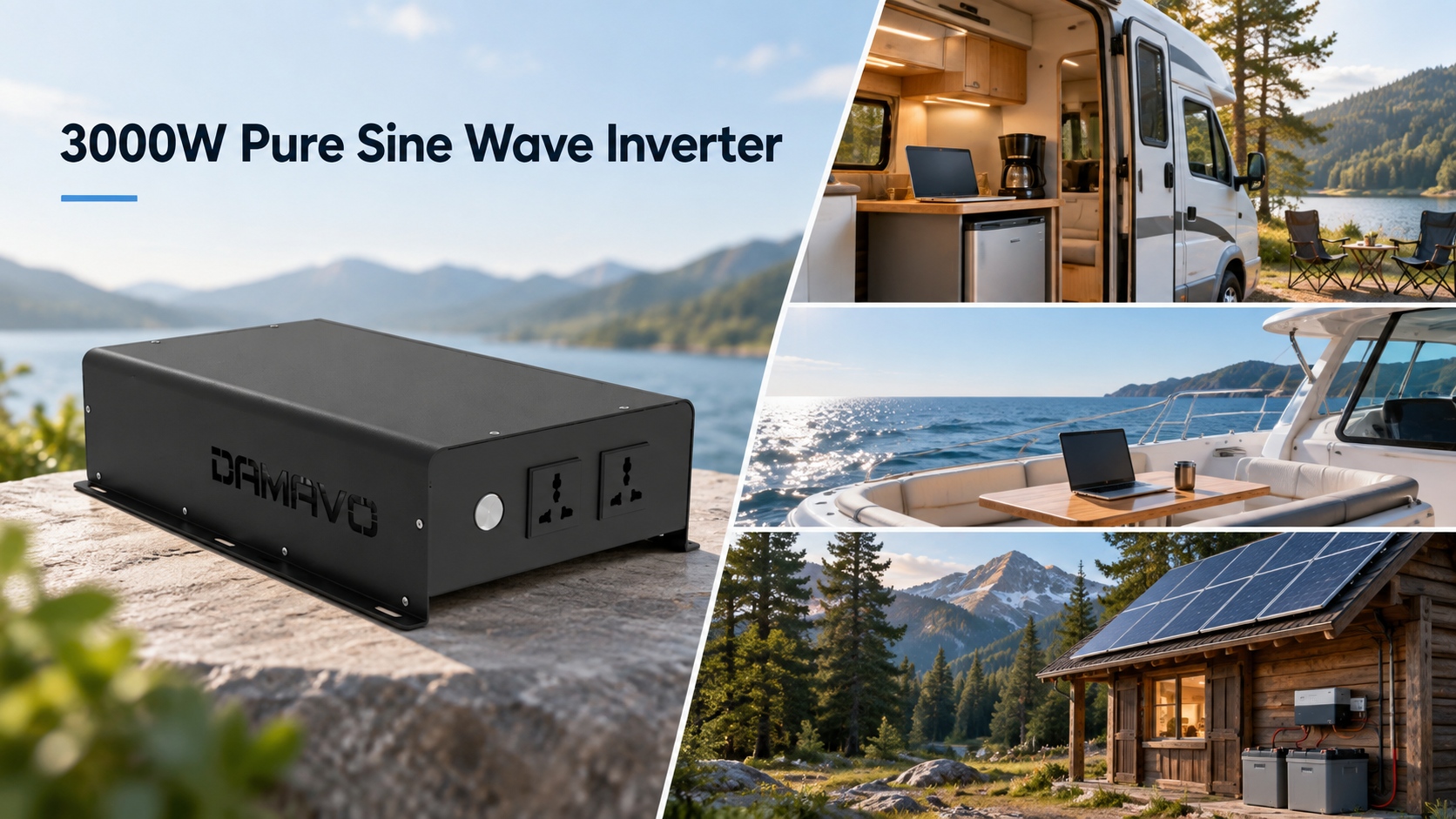
What Can a 3000W Pure Sine Wave Inverter Power in RV, Marine, and Off-Grid Systems?
OEM Power Inverter Selection: How to Choose a Power Inverters Manufacturer
Related Article
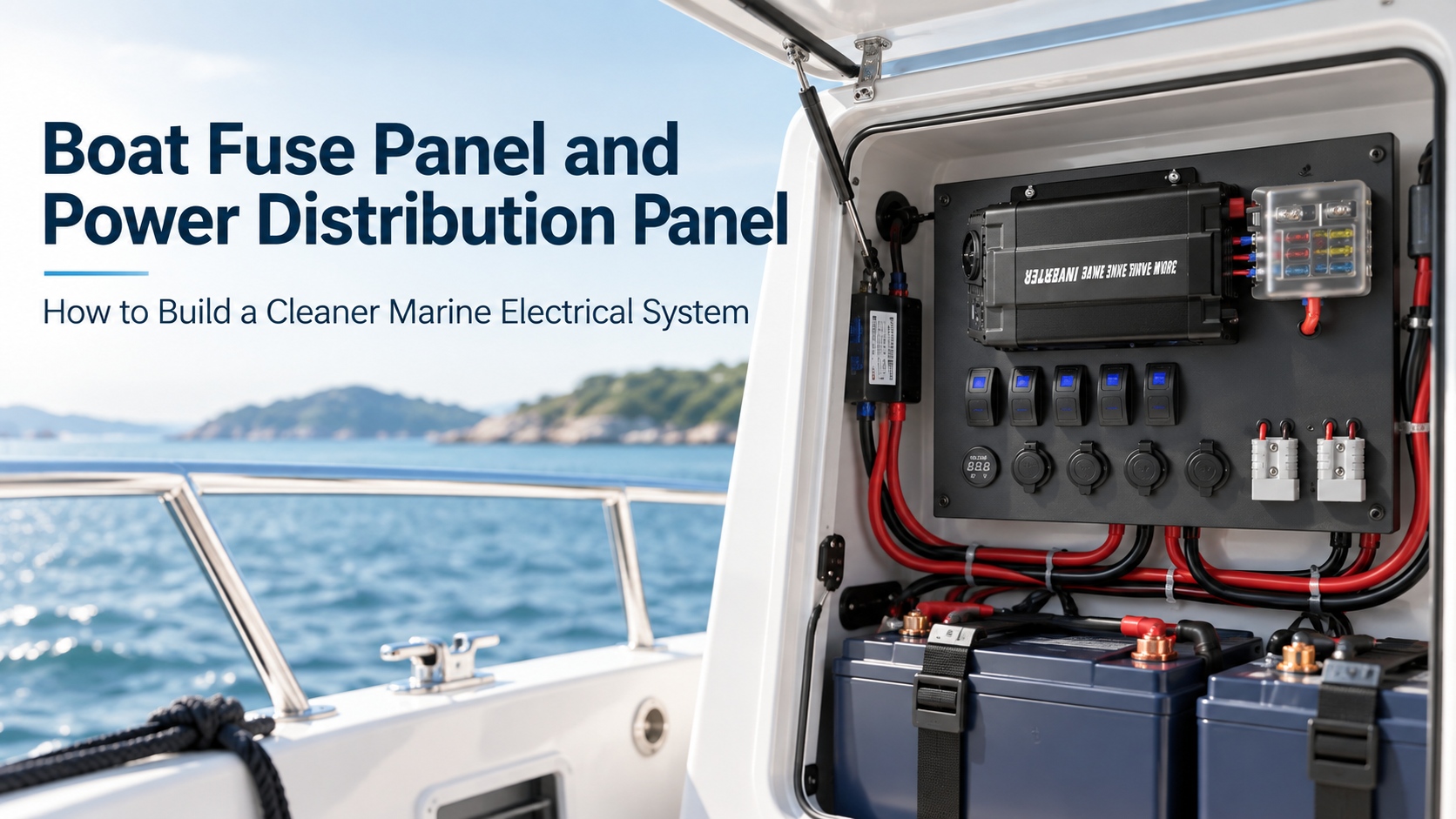
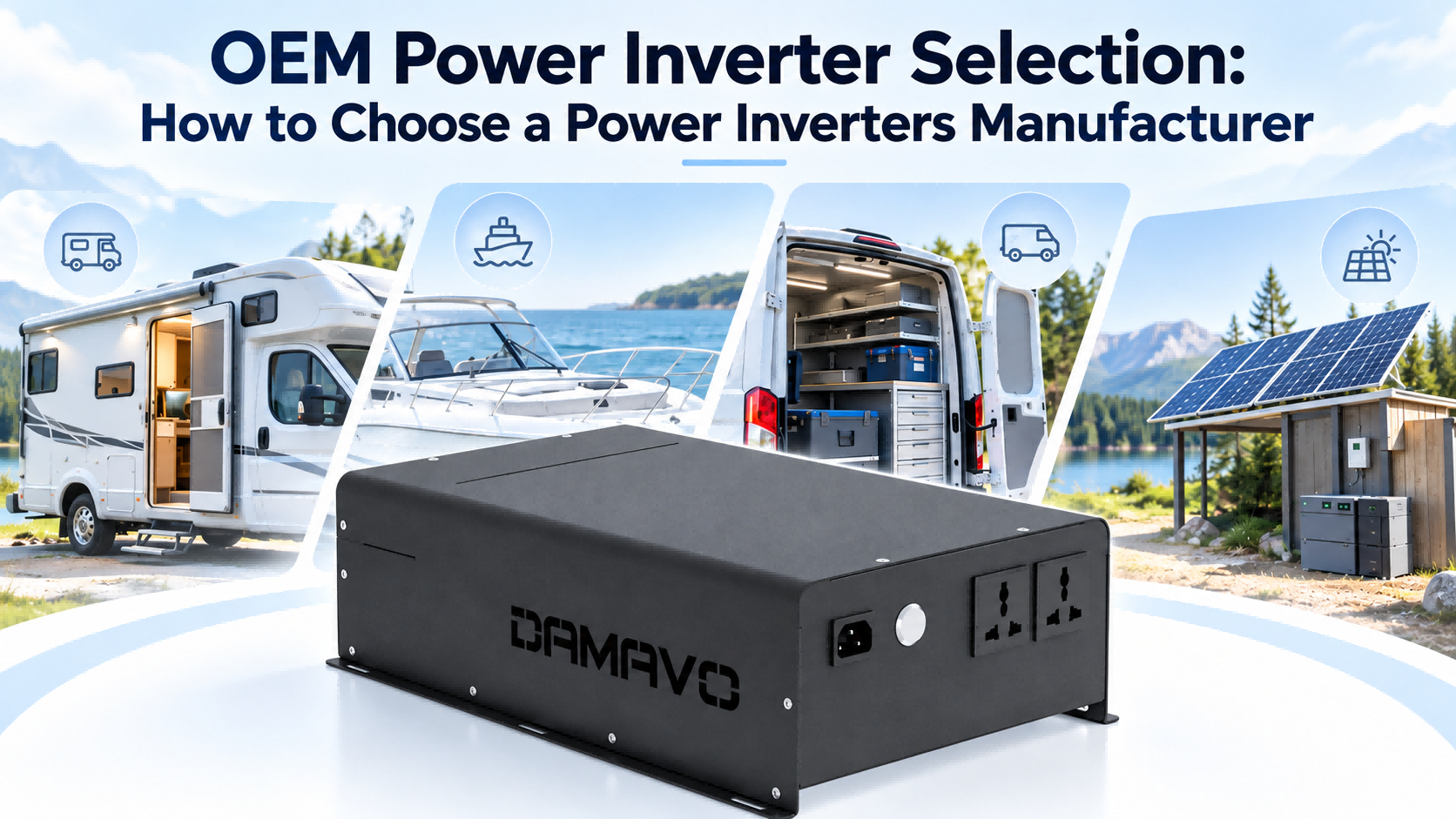
This guide explores the essentials of selecting OEM power inverters, covering critical factors like waveform, voltage, and surge power. It highlights the importance of partnering with a manufacturer that offers robust engineering support, in-house PCBA production, and strict quality control to ensure reliable, stable mass production.